Why You Need a Premium Account?
Are you ready to elevate your business to the next level? Upgrade to a premium account today and unlock a range of exclusive features designed to enhance your experience and drive success...
Read more

بنك قطر الوطني: توجد فرص لتعديل وزيادة نمو الاقتصاد الصيني
Qatar National Bank (QNB) said that China's GDP growth forecast could be revised and increased to 5.5 percent, aligning it with current growth potentials. It attributed that to two main factors: a firmer commitment from the Chinese government to achieve stronger growth rates and more monetary policy room for rate cuts.
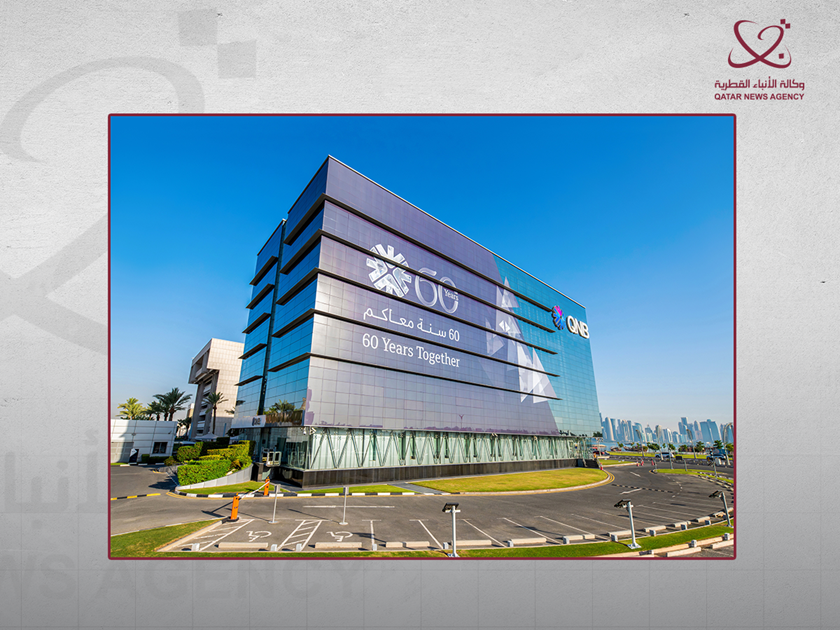
الدوحة في 26 أكتوبر /قنا/ كشف بنك قطر الوطني QNB عن وجود فرص لتعديل وزيادة توقعات نمو الناتج المحلي الإجمالي في الصين ورفعه إلى 5.5 بالمئة، بما يتوافق مع إمكانات النمو الحالي، مرجعا ذلك إلى عاملين رئيسين، وهما زيادة الالتزام من جانب الحكومة الصينية بتحقيق معدلات نمو أقوى، وتوافر مساحة أكبر أمام السياسة النقدية لخفض أسعار الفائدة.
وقال بنك قطر الوطني في تقريره الأسبوعي إنه بالرغم من ردود الفعل الأولية في الأسواق، لا يزال المحللون يشككون في مدى التزام الحكومة الصينية بتنفيذ عمليات تدخل كبيرة ومستدامة لدعم الاقتصاد، وما إذا كان ذلك سيؤثر بقوة على معنويات المستهلكين والنشاط الحقيقي.
وأشار البنك إلى أن توقعات المحللين لاتزال متواضعة حيال آفاق النمو، إذ يتضح هذا الأمر في إجماع توقعات بلومبرغ، التي تعتبر أداة لرصد توقعات الاقتصاديين ومراكز الفكر وبيوت الأبحاث، والتي تشير إلى أن الاقتصاد الصيني سيحقق نموا متواضعا تبلغ نسبته 4.8 بالمئة و4.5 بالمئة في عامي 2024 و2025.
ولدى تناوله العنصر الأول في تحليله لفت التقرير إلى أن الجولة الجديدة من تدابير التحفيز تشير إلى أن صناع السياسات مهتمون بالنمو وملتزمون بدعمه.
علاوة على ذلك، فإنها تشير أيضا إلى أن نسبة 5 بالمئة المعلنة والمستهدفة لنمو الناتج المحلي الإجمالي لا تزال مؤشر أداء رئيسي يجب تحقيقه.
وأضاف التقرير: كانت هناك مخاوف في الماضي القريب من أن مؤشرات الأداء الرئيسية الاقتصادية للحكومة الصينية كانت مرتبطة بخريطة الطريق التكنولوجية، أي زيادة سلسلة القيمة في القطاعات الاستراتيجية مثل الفضاء والذكاء الاصطناعي والاتصالات الكمية والحوسبة، وبما أن سن تدابير التحفيز الضخمة لم يعد أمرا خارج الحسابات، بل أصبح بالفعل ضروريا لتحقيق النمو المستهدف، فمن المتوقع المزيد من تدابير التيسير في المستقبل القريب، مما يهيئ الظروف المناسبة للتوسع الاقتصادي.
وأوضح التقرير أنه سرعان ما أدى الإعلان عن حزمة التحفيز هذه إلى تجديد الحيوية والحماس في رغبة المستثمرين والمضاربين ورجال الأعمال في تقبل المخاطر، ونتيجة لذلك، صعدت أسعار الأصول الصينية بشكل كبير، مع ارتفاع أسعار الأسهم بنسبة 38 بالمئة خلال ثلاثة أسابيع، قبل أن تتراجع وتستقر عند مستوى مرتفع.
تجدر الإشارة إلى أنه مع بروز مخاوف بشأن مدى كفاية تدابير التحفيز المعلن عنها في تعزيز النمو، صدرت توجيهات تفيد بأن الحكومة مستعدة لإطلاق المزيد من الإجراءات إذا لزم الأمر لتحقيق النمو أو الاستقرار المالي.
وفيما يتعلق بالعنصر الثاني الذي أورده التقرير، أشار إلى بداية دورة التيسير العالمية التي تخفض فيها البنوك المركزية الكبرى أسعار الفائدة، مواتية أيضا للصين، وهذا يتيح اتخاذ إجراءات اقتصادية أكثر صرامة من قبل السلطات الصينية، وخاصة بنك الشعب الصيني، ومع قيام بنك الاحتياطي الفيدرالي الأمريكي بخفض أسعار الفائدة بشكل أكبر، سيكون لدى بنك الشعب الصيني مجال أكبر للتيسير دون التسبب في تدفق رؤوس الأموال خارج الصين.
وبين التقرير أنه في السنوات الأخيرة، تغير الفارق في أسعار الفائدة بين الولايات المتحدة والصين بشكل كبير لصالح الولايات المتحدة، حيث اجتذب ارتفاع العائدات الأمريكية تدفقات رؤوس الأموال من بقية العالم، بما في ذلك الصين، وقد خلق هذا ضغوطا على الرنمينبي، الذي انخفضت قيمته بنسبة 13 بالمئة منذ ذروته الأخيرة في فبراير 2022.
وقال التقرير إنه من شأن دورة التيسير النقدي من قبل بنك الاحتياطي الفيدرالي الأمريكي أن تفتح الباب لمزيد من التحفيز النقدي من بنك الشعب الصيني، ما يوفر رياحا مواتية للاقتصاد الصيني.
ويؤدي انخفاض أسعار الفائدة إلى زيادة السيولة ونمو الائتمان، مما يشجع عودة الاستثمارات الخاصة والإقليمية. وهذا من شأنه أيضا أن يوفر انفراجا للكيانات المدينة ويعزز معنويات المستهلكين.
ورأى التقرير بشكل عام، أنه ينبغي لتحسن معنويات السوق وزيادة الالتزام من جانب الحكومة الصينية بتحقيق معدلات نمو أقوى وتوافر مساحة أكبر أمام السياسة النقدية لخفض أسعار الفائدة، أن يصب في صالح تسارع نمو الناتج المحلي الإجمالي إلى 5.5 بالمئة في عام 2025.
Doha, October 26 (QNA) - Qatar National Bank (QNB) said that China's GDP growth forecast could be revised and increased to 5.5 percent, aligning it with current growth potentials. It attributed that to two main factors: a firmer commitment from the Chinese government to achieve stronger growth rates and more monetary policy room for rate cuts.
In its weekly commentary, QNB said, "After the re-opening from the late wave of Covid pandemic in China two years ago, there was significant hope for another period of strong Chinese driven global growth. However, following an initial recovery, expectations faded as GDP prints came consistently below the countrys long-term average of 5.6 percent. Part of the reason for a lacklustre performance in recent quarters has been the lack of major fiscal stimulus and the lack of clarity in terms of overall policy direction.
"Last month, Chinese economic authorities decided to take more decisive action to support growth. A new battery of policy stimulus measures were launched. This included the re-capitalization of state banks, cuts in interest rates and reserve requirement ratios, more fiscal spending, and support for both real estate and capital markets.
"The announcement quickly reignited the risk-taking "animal spirits" of investors, speculators and entrepreneurs. This led Chinese asset prices to surge significantly, with equity prices up 38 percent in a matter of three weeks, before softening and stabilizing. Importantly, as concerns emerged about whether the announcement would be enough to spur stronger growth, there was guidance that the government is willing to deploy more measures should it be needed for growth or financial stability.
"Despite the initial reaction from markets, analysts are still questioning to what extent the Chinese government is committed to large, sustained supportive interventions, and whether this would have a strong spill over on consumer sentiment and real activity. At the time of writing, analyst projections are still modest and do not reflect a material change in growth expectations. This is well captured by the Bloomberg consensus, a tool that tracks forecasts from economists, think tanks and research houses, presenting a range of projections as well as the median point of market expectations for growth in a given country. The Bloomberg consensus forecasts point to tepid 4.8 percent and 4.5 percent Chinese growth in 2024 and 2025.
"There is nonetheless scope for significant upward revisions in Chinese growth expectations to 5.5 percent, more aligned with GDP potential. Two main factors sustain our position." The bank explained, "First, the new round of stimulus suggests that policymakers are concerned about growth and committed to support it. Moreover, it also suggests that the announced GDP target of 5 percent is still a key KPI that should be achieved. In the recent past, there were concerns that the main economic KPIs for the Chinese government were associated with the technological roadmap, i.e., raising in the value chain of strategic sectors like space, AI, and quantum communications and computing. As deploying the "bazooka" or enacting "massive stimulus" is no longer off-limits and indeed needed for the desired growth target achievement, we expect even further easing measures in the near future, creating a solid footing to the economic expansion.
"Second, the start of a "global easing cycle" in which major central banks cut policy rates is also favourable for China. This enables more aggressive economic policy actions by Chinese authorities, particularly the PBoC. As the US Fed cuts rates further, the PBoC will have more policy room to ease without creating additional incentives for capital outflows from China. In recent years, the US-China interest rate differential changed dramatically in favour of the US, with higher US yields attracting capital inflows from the rest of the world, including China. This created pressure in the renminbi, which depreciated by 13 percent since its recent peak in February 2022. A US Fed easing cycle should unlock more monetary stimulus from the PBoC, providing a tailwind for the Chinese economy. Lower policy rates allows for more liquidity and credit growth, favouring the return of private and provincial investments. This should also provide relief for indebted entities and provide a boost to consumer sentiment." QNB concluded, "All in all, more positive market sentiment, a firmer commitment from the Chinese government for stronger growth, and more monetary policy room for rate cuts should favour a faster GDP expansion of 5.5 percent in 2025."
Activities:
- Construction
- Manufacturing
- Trading
- Food and Beverage
- Interior Design
- Consultancy Services
- Civil Contracting
- Engineering Consultancy
- Retail
- Medical and Healthcare
- Software and IT Services
- Engineering
- Building Materials Trading
- Hospitality Services
- Plastic Manufacturing
- Metal Fabrication
- Transportation and Logistics
- Security Services
- Electrical Contracting
- Facilities Management
- HVAC (Heating, Ventilation, and Air Conditioning)
- Event Management
- Real Estate
- Travel and Tourism
- Furniture Manufacturing
- Insurance Services
- Education and Training
- Media and Broadcasting
- Chemical Industries
- Architecture
- Mechanical Contracting
- Management Consulting
- Landscaping
- Textile Manufacturing
- Printing and Packaging
- Advertising Agencies
- Agricultural
- Restaurants
- Hotels
- Plumbing Contracting
- Heavy Equipment Rental
- Digital Marketing
- Catering Services
- Paper Manufacturing
- Public Relations Agencies
- Project Management Consultancy
- Art Galleries
- Social Business Platform
- Recycling Services
- E-commerce Solutions
- Car Rental Services
- Pharmaceutical Manufacturing
- Ceramics Production
- Glass Production
- Finance and Banking
- Oil and Gas
- Courier Services
- Stores
- Film Production
- Legal Consultancy
- HR Consultancy
- Health and Safety Consultancy
- Quality Assurance Consultancy
- Research and Development (R&D)
- Recruitment
- Tenders
- Entertainment Services
- Sustainable Energy Projects
- Water Treatment
- News
- Holding Company
- Industrial Laboratories
- Translation Services
- Smart System
- Electronics
- Other
The World's First Qatari Social Business Platform
Introducing the first Qatari social business platform, fostering collaboration between Government, private sectors, and users for easy access and communication, promoting innovation and success in business....
Read more