Why You Need a Premium Account?
Are you ready to elevate your business to the next level? Upgrade to a premium account today and unlock a range of exclusive features designed to enhance your experience and drive success...
Read more

في ختام أعماله.. مؤتمر الدوحة للمال الإسلامي يدعو لإطار تنظيمي للبلوك تشين والذكاء الاصطناعي
The Doha Islamic Finance Conference recommended the development of a Shari'ah-compliant regulatory framework for blockchain and AI applications. The conference called on Islamic financial institutions, regulatory bodies, and tech experts to collaborate to standardize smart contracts, govern AI, create sandbox environments for blockchain/AI testing, and establish balanced frameworks that encourage innovation while upholding Islamic principles.
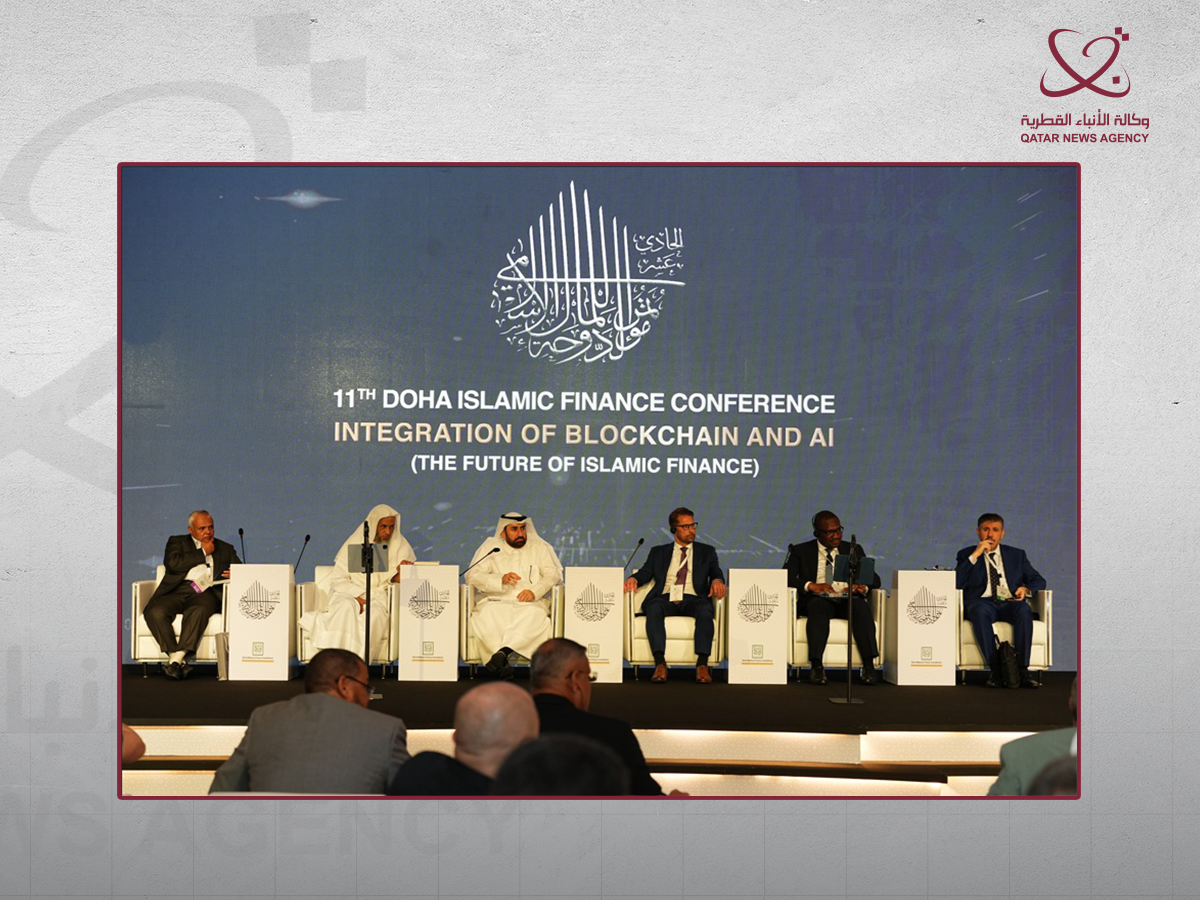
الدوحة في 09 أبريل /قنا/ أوصى مؤتمر الدوحة للمال الإسلامي، في ختام نسخته الحادية عشرة، بوضع إطار تنظيمي متوافق مع الشريعة لتطبيقات البلوك تشين والذكاء الاصطناعي، داعيا مؤسسات التمويل الإسلامي والهيئات التنظيمية وخبراء التكنولوجيا للتعاون في سبيل وضع معايير للعقود الذكية، وحوكمة الذكاء الاصطناعي، وتطوير بيئات تنظيمية تجريبية مخصصة للبلوك تشين والذكاء الاصطناعي، وإنشاء أطر متوازنة تحفز الابتكار مع الحفاظ على المبادئ الإسلامية.
وحث البيان الختامي للمؤتمر على تسريع دراسة وتقييم ومتابعة مستوى تغير حالة العوامل المؤثرة والمخاطر للتمويل اللامركزي وتحديد مدى اقترابها أو ابتعادها من إغلاق الفجوة القائمة بين الابتكار من جهة وسلسلة القيم والتنظيم من جهة أخرى.
وأكد أن جوهر مفهوم التمويل من منظور الاقتصاد الإسلامي يقوم على منظومة القيم والأخلاق، والنظام المالي الإسلامي هو الذي يحقق التوازن بين الابتكار والقيم والتنظيم من جهة وبناء نظام مالي أكثر عدلا وتوافقا مع مقاصد الشريعة الإسلامية وأكثر استدامة من جهة أخرى، يستوي في ذلك أن يكون التمويل مركزيا أو لا مركزيا أو هجينا.
وقال البيان إن الألعاب الإلكترونية لا تأخذ حكما واحدا، لأنها مختلفة الجوانب، متعددة النواحي، وهذه الأحكام مقيدة بالضوابط الشرعية التي تحقق المصالح المشروعة من اللعب والترفيه، وتحد من المفاسد المترتبة على هذه الألعاب، منوها إلى أن المعاوضات المالية التي تتم في الألعاب الإلكترونية من فتح الحساب، أو بيعه، أو شراء النقاط تأخذ حكم اللعبة نفسها من الجواز أو المنع، إضافة إلى تقيدها بالأحكام الخاصة بالمعاملات المالية الإلكترونية.
ولفت البيان إلى أن لفقه المستقبليات أهمية في الصناعة والاجتهاد الفقهي المعاصر، وبالنظر إلى مباني عمل الذهن الفقهي في النظر للمآلات وطبيعة الذكاء الاصطناعي وقدرته على تحليل البيانات الضخمة والاستنباط والاستنتاج، فإنه يمكن استخدام الذكاء الاصطناعي لزيادة الفاعلية والتجويد في توقع الخيارات والمآلات الفقهية المستقبلية.
وشدد على أن تكامل البلوك تشين والذكاء الاصطناعي يعزز الامتثال الشرعي في المصارف الإسلامية من خلال تحقيق الشفافية، وتحسين التدقيق الشرعي، وتقليل مخاطر التلاعب، وقد أظهرت التطبيقات العملية في بعض المؤسسات المالية الإسلامية نجاح تطبيق هذا التكامل، مما يفتح الطريق أمام المصارف الإسلامية لتحسين أدائها وزيادة فاعليتها وتطوير منتجاتها بما يعزز من دورها وتنافسيتها على مستوى الصناعة المالية العالمية.
ونوه البيان إلى أن الذكاء الاصطناعي وتقنية البلوك تشين يوفران حلولا متقدمة للحفاظ على الأوقاف وتطويرها وتنميتها، بتحسين إدارة الأصول، وتحقيق كفاءة التوزيع، وتعزيز الشفافية والحوكمة، وتحسين الاستدامة وزيادة الثقة ، كما أن هذا التحول الرقمي للأوقاف تعترضه جملة من التحديات كخصوصية بيانات الأوقاف، وضعف الثقة في التكنولوجيا المتعلقة بالمساعدات الإنسانية والاجتماعية، وتكاليف التمويل، معتبرا أن التغلب على هذه التحديات يمكن في تعزيز بيئة الوقف وتدريب الكادر البشري في المؤسسات الوقفية، ودراسة عوائق التحول الرقمي، وبذل الجهود المطلوبة لتذليلها.
وشدد على أهمية العمل على الحوكمة القانونية والفهرسة الخوارزمية للوثائق الوقفية بمعالجة ذكية تؤسس لمشروع "بنك الوثائق الوقفية" لردم الفجوة بين الباحثين وبين الذاكرة الوقفية للحضارة الإسلامية، وتحافظ على الأصول الوقفية.
وكانت الجلسات العلمية لمؤتمر الدوحة الحادي عشر للمال الإسلامي، ناقشت المحاور الأربعة الرئيسة المتضمنة لموضوعات: "الذكاء الاصطناعي اللامركزي الأحكام والضوابط"، و"الوقف في ظل تكامل البلوك تشين والذكاء الاصطناعي"، و"ثورة الألعاب القائمة على البلوك تشين الأحكام وفرص الاستثمار"، و"سلاسل القيم عبر التمويل اللامركزي المدعوم بالذكاء الاصطناعي"؛ وذلك من خلال أوراق العمل المقدمة من العلماء والأكاديميين والمختصين المشاركين، بالإضافة إلى النقاشات والمداخلات التي أثرت موضوعات المؤتمر.
ويعتبر المؤتمر منصة مرموقة ومؤثرة تسهم في تشكيل مسار التمويل الإسلامي على المستوى العالمي منذ انطلاقه في عام 2010، وقد استقطب في دوراته الماضية مشاركات دولية واسعة من هيئات حكومية ومنظمات دولية ومؤسسات مالية وأكاديمية في مجالات الاقتصاد والمال والتكنولوجيا.
Doha, April 09 (QNA) - The Doha Islamic Finance Conference recommended the development of a Shari'ah-compliant regulatory framework for blockchain and AI applications. The conference called on Islamic financial institutions, regulatory bodies, and tech experts to collaborate to standardize smart contracts, govern AI, create sandbox environments for blockchain/AI testing, and establish balanced frameworks that encourage innovation while upholding Islamic principles.
The conference's closing statement stressed the need to accelerate the study, assessment, and monitoring of evolving risk factors in decentralized finance (DeFi). This involves evaluating their alignment (or divergence) with bridging the existing gap between innovation on one hand and values and regulations on the other. It reaffirmed that the essence of Islamic finance is founded in its value-based and ethical framework. The Islamic financial system strikes a balance between innovation, ethics, and regulation-building a fairer, more Shariah-compliant, and sustainable model. This applies equally to centralized, decentralized, or hybrid finance.
The statement emphasized that electronic games cannot be subjected to a single juristic ruling (hukm), as they vary in nature, aspects and dimensions. Their rulings are subject to Shari'ah-based guidelines that aim to achieve legitimate benefits (masalih) of play and entertainment while minimizing the harms (mafasid) associated with these games. It clarified that monetary exchanges and financial transactions in electronic games-such as account creation, sales, or purchasing in-game points-follow the same ruling (hukm) as the game itself (permissible or prohibited). Additionally, they must adhere to the regulations governing digital and electronic financial transactions.
The statement also underscored that the study of futuristic jurisprudence (fiqh al-mustaqbaliyyat) holds significant importance in contemporary juristic reasoning and fatwa production. Given the cognitive foundations of juristic reasoning when examining outcomes (ma'alat) and the nature of artificial intelligence (AI)-particularly its ability to analyze big data, derive rulings, and draw conclusions-AI can be employed to enhance the effectiveness and precision of forecasting future juristic choices and outcomes.
Moreover, it highlighted that the integration of blockchain and AI strengthens Shari'ah compliance in Islamic banking by promoting transparency, improving Shari'ah auditing, and mitigating the risks of manipulation. Practical applications in some Islamic financial institutions have demonstrated the success of this integration, paving the way for Islamic banks to enhance their performance, increase efficiency, and develop innovative products-ultimately boosting their role and competitiveness in the global financial industry.
The statement noted that AI and blockchain technology offer advanced solutions for the preservation and development and growth of waqf (endowments) by optimizing asset management, improving distribution efficiency, enhancing transparency and governance, while boosting trust and sustainability. However, this digital transformation of waqf faces several challenges, including data privacy concerns, low trust in technology related to humanitarian and social aid, and financing costs. These challenges can be overcome by strengthening the waqf ecosystem, training human resources in waqf institutions, studying the obstacles to digital transformation, and making the necessary efforts to address them.
The statement also addressed the critical need to establish legal governance and algorithmic indexing of waqf documents through intelligent processing to lay the infrastructure for the project of (Waqf documents bank) in order to bridge the gap between researchers and the civilizational memory of Islamic endowments while also preserving waqf assets.
During the scientific sessions of the conference, four main themes were discussed: "Decentralized Artificial Intelligence: Rules and Regulations", "Endowments (Waqf) in the Era of Blockchain and AI Integration", "The Blockchain Gaming Revolution: Rulings and Investments Opportunities" and "Value Chains through Decentralized Finance Powered by AI". The conference had the working papers presented by scholars and academicians from the field besides the discussions and interventions to enrich it.
The conference has attracted wide participation of government entities, international organizations, financial and academic institutions specializing in economics, finance, and technology. The Doha Islamic Finance Conference is more than just an annual gathering; it is a prestigious and influential platform that has been shaping the trajectory of Islamic finance on a global scale since its inception in 2010.
Since its first edition, it has consistently attracted a distinguished assembly of global experts, scholars, practitioners, and industry leaders. These attendees come from various sectors, including banking, finance, academia, and government, to engage in thought-provoking discussions and share their insights on the evolving landscape of Islamic finance. The conference has earned its reputation as a pivotal platform for knowledge exchange and thought leadership by addressing the most pressing issues facing the industry. (QNA)
Activities:
- Construction
- Manufacturing
- Trading
- Food and Beverage
- Interior Design
- Consultancy Services
- Civil Contracting
- Engineering Consultancy
- Retail
- Medical and Healthcare
- Software and IT Services
- Engineering
- Building Materials Trading
- Hospitality Services
- Plastic Manufacturing
- Metal Fabrication
- Transportation and Logistics
- Security Services
- Electrical Contracting
- Facilities Management
- HVAC (Heating, Ventilation, and Air Conditioning)
- Event Management
- Real Estate
- Travel and Tourism
- Furniture Manufacturing
- Insurance Services
- Education and Training
- Media and Broadcasting
- Chemical Industries
- Architecture
- Mechanical Contracting
- Management Consulting
- Landscaping
- Textile Manufacturing
- Printing and Packaging
- Advertising Agencies
- Agricultural
- Restaurants
- Hotels
- Plumbing Contracting
- Heavy Equipment Rental
- Digital Marketing
- Catering Services
- Paper Manufacturing
- Public Relations Agencies
- Project Management Consultancy
- Art Galleries
- Social Business Platform
- Recycling Services
- E-commerce Solutions
- Car Rental Services
- Pharmaceutical Manufacturing
- Ceramics Production
- Glass Production
- Finance and Banking
- Oil and Gas
- Courier Services
- Stores
- Film Production
- Legal Consultancy
- HR Consultancy
- Health and Safety Consultancy
- Quality Assurance Consultancy
- Research and Development (R&D)
- Recruitment
- Tenders
- Entertainment Services
- Sustainable Energy Projects
- Water Treatment
- News
- Holding Company
- Industrial Laboratories
- Translation Services
- Smart System
- Electronics
- Other
The World's First Qatari Social Business Platform
Introducing the first Qatari social business platform, fostering collaboration between Government, private sectors, and users for easy access and communication, promoting innovation and success in business....
Read more