Why You Need a Premium Account?
Are you ready to elevate your business to the next level? Upgrade to a premium account today and unlock a range of exclusive features designed to enhance your experience and drive success...
Read more

محكمة قطر الدولية تصدر توجيها إجرائيا بشأن ضوابط استخدام الذكاء الاصطناعي في مراحل التقاضي المختلفة
The Qatar International Court and Dispute Resolution Centre (QICDRC) has issued a Procedural Directive governing the disciplined use of artificial intelligence tools, which litigants and their legal representatives are required to comply with when appearing and pleading before the Court and the Regulatory Tribunal.
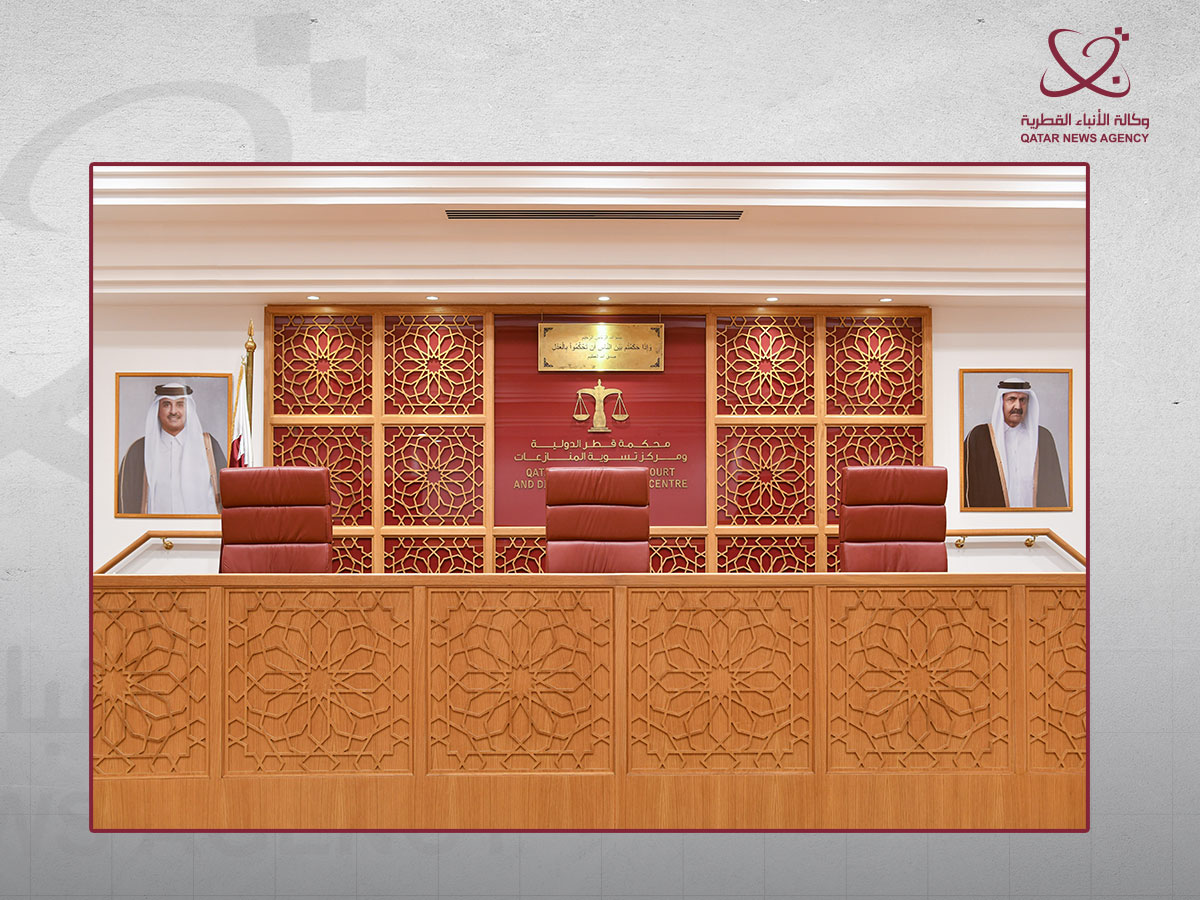
الدوحة في 06 يناير /قنا/ أصدرت محكمة قطر الدولية ومركز تسوية المنازعات، توجيها إجرائيا بشأن الاستخدام المنضبط لأدوات الذكاء الاصطناعي، والذي يتعيّن على المتقاضين وممثليهم القانونيين الالتزام بأحكامه وضوابطه عند الحضور والمرافعة أمام المحكمة ومحكمة التنظيم.
وقالت محكمة قطر الدولية إن "التوجيه الإجرائي رقم 1 لسنة 2026"، جاء في إطار ما توليه من عناية خاصة لإحكام الرقابة على ما يُقدَّم إليها من مستندات ومذكرات قانونية، وتنظيم آليات الاستناد إلى المراجع والمصادر القانونية، وإلزام المحامين بالتثبت الشامل من صحة جميع تلك المصادر قبل تقديمها إلى المحكمة، ولا سيما عند استخدام الأدوات التقنية القائمة على الذكاء الاصطناعي، وذلك صوناً لثقة المتقاضين في المنظومة القضائية، وحفاظاً على مبدأ المشروعية الإجرائية الذي يُعدّ من ركائز العدالة وضمانات التقاضي.
وأشارت المحكمة إلى أن إصدار التوجيه جاء عقب صدور حكم الدائرة الابتدائية بها في الدعوى رقم: [2025] QIC (E) 3، حيث خلصت المحكمة في حيثيات حكمها إلى أن الاستدلالات التي قدمها محامي المدعى عليه، والتي ارتكزت على سوابق قضائية ثبت لاحقا عدم وجودها، لم تكن مجرد هفوة بحثية أو خطأ مهني عابر، بل جسّدت سلوكا افتقر إلى مقتضيات الشفافية، وهدف إلى تضليل المحكمة بوجود مراجع وسوابق قانونية غير قائمة. وقد اعتبرت المحكمة هذا الفعل يتجاوز حدود الإهمال المهني ليشكل فعلا مقصودا يخل بالنزاهة ويعيق حسن سير العدالة.
وأوضحت أن هذا الحكم شكّل سابقة قضائية، هي الأولى من نوعها في منطقة الشرق الأوسط وشمال إفريقيا، واستأثر باهتمام دولي واسع بالنظر إلى القضايا القانونية التي أثارها فيما يتعلق باستخدام أدوات الذكاء الاصطناعي في الممارسة القانونية. كما استعرض الحكم أبرز السوابق القضائية المقارنة في هذا المجال، بما في ذلك القضايا الصادرة في إنجلترا وويلز والولايات المتحدة وكندا وأستراليا.
وقد بيّنت المحكمة أن الاعتماد المتزايد على أدوات الذكاء الاصطناعي في الممارسة القانونية أصبح واقعاً عملياً فرضته مستجدات بيئة العمل الحديثة، وهو توجّه محمود لما يوفّره من خفض للنفقات ورفع لكفاءة الأداء، غير أن ذلك مشروط بمراعاة مقتضيات الأمانة المهنية، والضوابط الأخلاقية، وأحكام القانون.
وقد نص التوجيه الجديد على مسؤولية المحامين عن دقة وصحة وسلامة ما يقدّمونه من مذكرات ومستندات، وفرض عليهم واجب التحقق من المعلومات الواردة فيها، وصحة الاستدلال القانوني، وخلوّ ما يقدَّم للمحكمة من أي خطأ أو تضليل أو تدليس.
كما شدّد التوجيه على ضرورة صون السرية والخصوصية، وحظر إدخال أي بيانات سرية أو خاضعة للحماية القانونية في أدوات الذكاء الاصطناعي المتاحة للعامة، حيث إن مخالفة هذا الحظر من شأنه تعريض المخالف للجزاءات التأديبية المقررة قانوناً.
وبالإضافة إلى ذلك، فقد أوضح التوجيه الإجرائي أن الإفصاح المسبق عن استخدام أدوات الذكاء الاصطناعي في إعداد المذكرات لا يُعد واجباً إلا إذا طلبت المحكمة ذلك صراحة، مع التأكيد على ضرورة الالتزام بمبدأ الشفافية، بحيث يتعيّن على المحامي الذي استخدم هذه الأدوات بيان الأجزاء التي استعان في إعدادها بالذكاء الاصطناعي متى طُلب منه ذلك، وشرح الخطوات التي اتخذها للتحقق من دقتها واتساقها مع المعايير المهنية الواجبة.
وبهذه المناسبة، أكد السيد فيصل بن راشد السحوتي الرئيس التنفيذي لمحكمة قطر الدولية أن إصدار هذا التوجيه الإجرائي يعكس حرص المحكمة على مواكبة التطورات التقنية الحديثة في مجال التقاضي، وتوظيف أدوات الذكاء الاصطناعي ضمن إطار من الانضباط القانوني والمسؤولية المهنية، وبما يضمن نزاهة الإجراءات القضائية وتعزيز ثقة المتقاضين في منظومة العدالة.
Doha, January 06 (QNA) - The Qatar International Court and Dispute Resolution Centre (QICDRC) has issued a Procedural Directive governing the disciplined use of artificial intelligence tools, which litigants and their legal representatives are required to comply with when appearing and pleading before the Court and the Regulatory Tribunal.
Procedural Directive No. (1) of 2026 was issued as part of the Court's heightened commitment to ensuring strict oversight of all documents and legal filings submitted to it, regulating the manner of reliance on legal references and sources, and obligating attorneys to conduct comprehensive verification and certification of the accuracy of all such sources prior to submission to the Court, particularly when utilizing AI-powered technological tools, QICDRC said.
The Court added that this measure aims to preserve litigants' confidence in the judicial system and to uphold the principle of procedural legality, which constitutes a cornerstone of justice and a fundamental safeguard of the right to litigation.
QICDRC further indicated that the issuance of this directive followed the judgment rendered by its Court of First Instance in Case No. [2025] QIC (E) 3, in which it concluded, in its reasoning, that the legal arguments submitted by counsel for the defendant -which relied on purported judicial precedents later proven to be non-existent and fabricated- did not constitute a mere research lapse or an isolated professional error.
Rather, they reflected conduct that fell short of the duty of candor and transparency owed to the tribunal, and were intended to mislead the Court by invoking legal authorities and precedents that had no legal existence.
As such, QICDRC held that such conduct exceeded the bounds of professional negligence and amounted to intentional misconduct, undermining integrity and impeding the proper administration of justice.
This judgment constituted a judicial precedent, the first of its kind in the Middle East and North Africa region, and attracted broad international attention due to the legal issues it raised concerning the use of AI-powered tools in legal practice, QICDRC noted.
It further emphasized that the judgment also reviewed comparative jurisprudence in this field, including leading cases issued in England and Wales, the United States, Canada, and Australia.
The Court clarified that the increasing reliance on AI-powered tools in legal practice has become a practical reality imposed by the modern workplace, serving as a beneficial orientation as long as AI reduces expenditures and enhances performance.
However, QICDRC noted, this is conditioned on compliance with the requirements of professional integrity, ethical standards, and provisions of the law.
This new directive stipulates the responsibility of attorneys for the accuracy, correctness, and integrity of the submissions they present, imposing upon them the duty to verify all information, ensure the accuracy of legal reasoning, and confirm that nothing submitted to the Court contains errors, misrepresentation, or deception, the Court highlighted.
It added that the directive also emphasizes the protection of confidentiality and privacy, prohibiting the input of any confidential or legally protected data into AI-powered tools accessible to the public, as any breach of this prohibition may expose the violator to legally prescribed disciplinary sanctions.
In addition, the directive clarified that pre‑filing disclosure of the use of AI-powered tools in drafting submissions is not mandatory unless explicitly requested by the Court, while emphasizing the necessity of adhering to the principle of transparency.
In such cases, the attorney who utilized these tools must disclose which portions of the filing were drafted using AI when requested, and certify the steps taken to review and verify the accuracy of those portions in accordance with applicable professional standards.
Commenting on this, Chief Executive Officer of QICDRC, Faisal bin Rashid Al Sahouti, stressed that this directive underscores the Court's commitment to keeping pace with cutting-edge technological advances in the litigation field, and to leveraging AI-powered tools in a legally disciplined manner while observing professional responsibilities to ensure the integrity of judicial proceedings and bolster litigants' confidence in the justice system. (QNA)
Activities:
- Construction
- Manufacturing
- Trading
- Food and Beverage
- Interior Design
- Consultancy Services
- Civil Contracting
- Engineering Consultancy
- Retail
- Medical and Healthcare
- Software and IT Services
- Engineering
- Building Materials Trading
- Hospitality Services
- Plastic Manufacturing
- Metal Fabrication
- Transportation and Logistics
- Security Services
- Electrical Contracting
- Facilities Management
- HVAC (Heating, Ventilation, and Air Conditioning)
- Event Management
- Real Estate
- Travel and Tourism
- Furniture Manufacturing
- Insurance Services
- Education and Training
- Media and Broadcasting
- Chemical Industries
- Architecture
- Mechanical Contracting
- Management Consulting
- Landscaping
- Textile Manufacturing
- Printing and Packaging
- Advertising Agencies
- Agricultural
- Restaurants
- Hotels
- Plumbing Contracting
- Heavy Equipment Rental
- Digital Marketing
- Catering Services
- Paper Manufacturing
- Public Relations Agencies
- Project Management Consultancy
- Art Galleries
- Social Business Platform
- Recycling Services
- E-commerce Solutions
- Car Rental Services
- Pharmaceutical Manufacturing
- Ceramics Production
- Glass Production
- Finance and Banking
- Oil and Gas
- Courier Services
- Stores
- Film Production
- Legal Consultancy
- HR Consultancy
- Health and Safety Consultancy
- Quality Assurance Consultancy
- Research and Development (R&D)
- Recruitment
- Tenders
- Entertainment Services
- Sustainable Energy Projects
- Water Treatment
- News
- Holding Company
- Industrial Laboratories
- Translation Services
- Smart System
- Electronics
- Other
The World's First Qatari Social Business Platform
Introducing the first Qatari social business platform, fostering collaboration between Government, private sectors, and users for easy access and communication, promoting innovation and success in business....
Read more