Why You Need a Premium Account?
Are you ready to elevate your business to the next level? Upgrade to a premium account today and unlock a range of exclusive features designed to enhance your experience and drive success...
Read more

وكيل وزارة المواصلات يفتتح النسخة الرابعة من مؤتمر سلاسل الإمداد والتوريد
HE Undersecretary of the Ministry of Transport Mohammed bin Abdullah Al Ibrahim Al Maadeed opened the fourth Qatar Supply Chain Conference in Doha on Monday, under the theme "Supply Chains in Times of Crisis: From Shocks to Resilience", with the participation of senior officials and decision-makers.
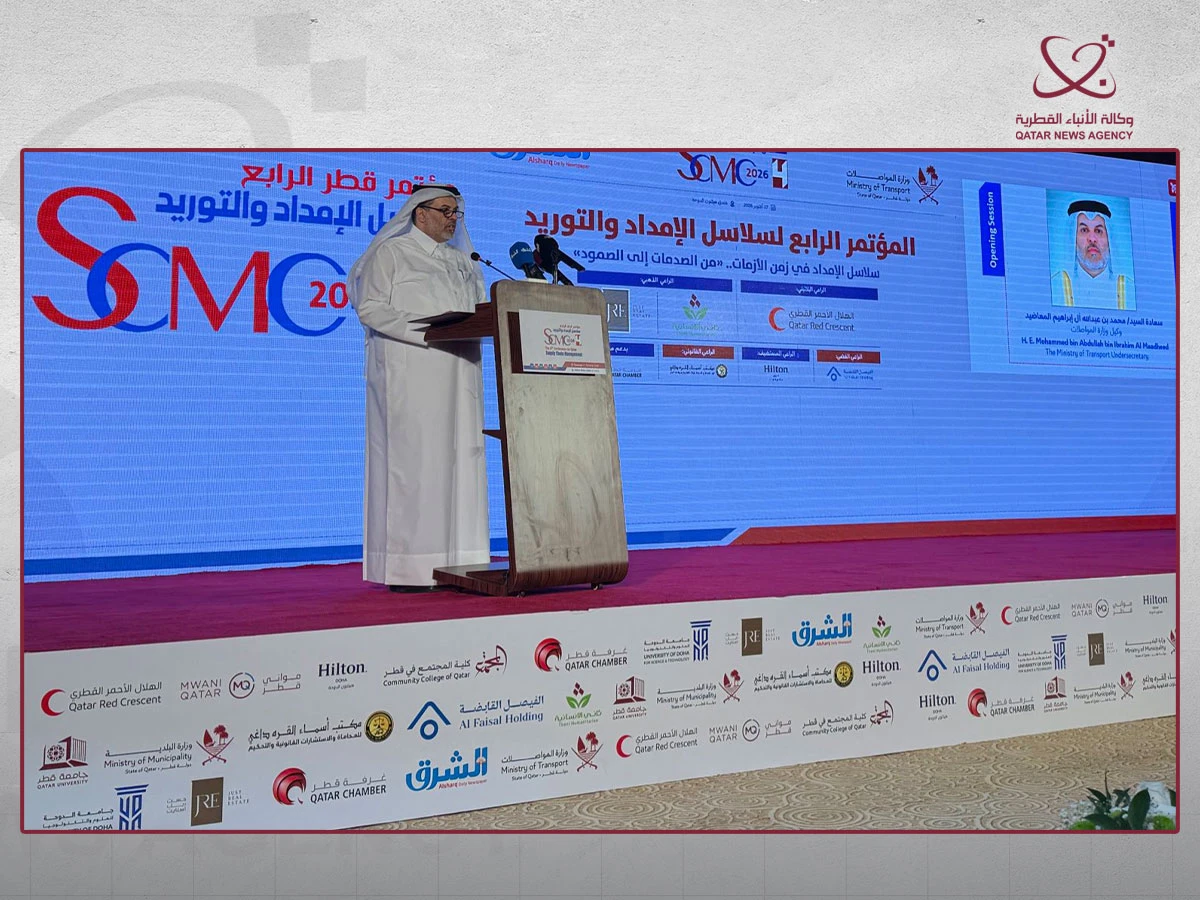
الدوحة في 27 أكتوبر /قنا/ افتتح سعادة السيد محمد بن عبدالله آل إبراهيم المعاضيد، وكيل وزارة المواصلات، النسخة الرابعة من مؤتمر قطر لسلاسل الإمداد والتوريد والذي عقد اليوم بالدوحة، وذلك تحت عنوان "سلاسل الإمداد في زمن الأزمات ... من الصدمات إلى الصمود"، بمشاركة نخبة من المسؤولين وصناع القرار.
وشكل الحدث منصة مثالية لتبادل الخبرات ومناقشة أبرز التحديات التي تواجه سلاسل الإمداد والتوريد واستعراض الحلول والتقنيات الحديثة التي تسهم في تحسين كفاءة العمليات اللوجستية وتعزيز مرونة سلاسل التوريد وضمان استمرارية تدفق السلع والخدمات في ظل المتغيرات الاقتصادية والجيوسياسية الراهنة.
وخلال الكلمة الافتتاحية للمؤتمر، قال سعادة السيد محمد بن عبدالله آل إبراهيم المعاضيد، وكيل وزارة المواصلات، إن سلاسل الإمداد لم تعد مجرد منظومة اقتصادية وتجارية، بل غدت ركيزة لأمن الدول واستقرارها وقدرتها على الصمود أمام الأزمات.
وأضاف سعادة وكيل وزارة المواصلات: "لقد قامت النظرة التقليدية لسلاسل الإمداد على تعظيم الكفاءة التشغيلية، غير أن توالي الأزمات الجيوسياسية والاقتصادية والصحية أعادت رسم الأولويات، وكشفت أن المعيار الحاسم اليوم هو مرونة سلاسل الإمداد- أي قدرتها على الصمود والتكيف والتعافي".
وأوضح سعادته، أن بناء مرونة سلاسل الإمداد لم يعد خيارا مؤجلا، بل أصبح "ضرورة وطنية تفرض رؤية شاملة وإرادة تنفيذية واضحة؛ إذ لا يتحقق صمود سلاسل الإمداد بإجراء منفرد أو استجابة مؤقتة، وإنما بمنظومة وطنية متكاملة توحد جهود القطاعين العام والخاص؛ بما يحمي استمرارية الاقتصاد والخدمات، ويعزز قدرتهما على التكيف والصمود مهما تبدلت الظروف أو اشتدت الأزمات".
وأشار المعاضيد إلى أن الأزمات المتلاحقة أثبتت أن الاعتماد على مسار واحد، أو مصدر واحد، أو منفذ واحد، ليس مجرد مخاطرة تشغيلية فحسب، بل نقطة ضعف استراتيجية قد تهدد الإمداد عند أول اضطراب، مشيرا إلى أن أمن الإمداد الحقيقي ترسخه دولة تخطط مبكرا، وتنوع مورديها، وتؤمن مساراتها ومنافذها، وتحافظ على احتياطيات استراتيجية كافية من السلع ذات الأولوية.
ونوه سعادته إلى أن مرونة سلاسل الإمداد لا تبنى في قلب الأزمة، بل تصنع قبلها بالتخطيط الاستباقي، والاستعداد المبكر، والقدرة على استشراف المخاطر قبل أن تتحول إلى أزمات، مضيفا: "هذا يقتضي تنويع مصادر الإمداد ومساراته، ورفع جاهزية البنية التحتية والمخزون الاستراتيجي، وبناء منظومات متقدمة للمعلومات والإنذار المبكر لتضع أمام صانع القرار صورة واضحة، تمكنه من التحرك في الوقت المناسب قبل أن تتسع دائرة الاضطراب".
وأشار سعادة وكيل وزارة المواصلات، إلى أن صمود سلاسل الإمداد يعد مسؤولية مشتركة، حيث يعد القطاع الخاص ركيزة أساسية في منظومة الأمن الاقتصادي الوطني من خلال إدارته جانبا كبيرا من عمليات النقل والتخزين والتوزيع، وربط الأسواق بالموانئ والمنافذ ومراكز الإنتاج، وامتلاك الخبرة التشغيلية والقدرة على الابتكار والتحرك السريع، موضحا أنه لتمكين هذا الدور ولنجاح هذه الشراكة، يتطلب الأمر وضع إطار حكومي واضح يحدد الأدوار والمسؤوليات، ويسرع تبادل المعلومات واتخاذ القرار، ويرفع الجاهزية؛ لتصبح الشراكة استعدادا دائما يضمن استمرار السلع والخدمات الأساسية.
وأضاف سعادته: "مع ما يشهده هذا العالم من تحولات متسارعة، تظل الأزمات جزءا من واقعه، وقد لا نملك منع كل اضطراب أو التنبؤ بتوقيته، لكننا نملك القرار بأن نكون مستعدين له، لذلك، فإن الاستثمار في مرونة سلاسل الإمداد ليس تكلفة احترازية، بل استثمار استراتيجي في قوة الاقتصاد، وأمن الوطن، واستقرار المجتمع، وجودة حياة أفراده".
وتابع: "إذا كانت كفاءة سلاسل الإمداد تصنع النمو والتنافسية في أوقات الاستقرار، فإن مرونتها هي التي تحمي هذا النمو حين تهتز الأسواق وتتقطع المسارات"، مؤكدا أن المسؤولية المشتركة تفرض تحويل الدروس المستفادة إلى سياسات ومبادرات عملية، تتكامل فيها جهود الحكومات والقطاع الخاص، لبناء قدرة وطنية راسخة على الجاهزية والصمود.
ومن جانبه، قال سعادة السيد عبدالرحمن بن حمد العطية الأمين العام الأسبق لمجلس التعاون لدول الخليج العربية، إنه في ظل ظرف إقليمي ودولي بالغ التعقيد، تشهد فيه خطوط التجارة العالمية اضطرابات متسارعة، وتراجعاً في حجم البضائع الواردة والمُصدَّرة من منطقة الخليج فإن أزمة سلاسل الإمداد والتوريد أصبحت قضية استراتيجية تمس الأمن الغذائي والاقتصادي لدول وشعوب المنطقة.
وأوضح سعادته أن تماسك سلاسل الإمداد والتجارة في قطر ودول الخليج العربي لم يعد خياراً، بل ضرورة حتمية لمواجهة التداعيات الراهنة، مشيدا بحكمة القيادة القطرية الرشيدة التي أدركت مبكراً أهمية التحوط الاستراتيجي وتعزيز مرونة سلاسل الإمداد.
ودعا إلى مزيد من التكاتف والتعاضد الخليجي في مواجهة هذه التحديات، لافتا إلى أن العمل الخليجي المشترك كان دائماً الدرع الحصين لدول المنطقة في مواجهة الأزمات.
وأضاف سعادته: "فإنني أدعو إلى تشكيل لجنة خليجية مشتركة ضمن إطار مجلس التعاون لدول الخليج العربية، تكون مهمتها تبادل المعلومات وتنسيق المواقف والاستجابة السريعة لمعالجة الأزمات الناتجة عن اضطراب سلاسل الإمداد والتوريد.. وهذه اللجنة ستكون بمثابة غرفة عمليات خليجية تضمن التنسيق الفوري واتخاذ القرارات المناسبة في الوقت المناسب".
وفي سياق متصل، قال السيد محمد بن أحمد بن طوار الكواري النائب الأول لرئيس مجلس إدارة غرفة قطر: "في الوقت الذي تمر به منطقتنا بمجموعة من التحديات الجيوسياسية غير المسبوقة، فإن سلاسل الإمداد لم تعد مجرد عمليات نقل للسلع والمواد الخام، بل أصبحت عنصراً استراتيجياً يرتبط بالأمن الاقتصادي والغذائي، واستمرارية الإنتاج، واستقرار الأسواق، وقدرة الشركات على الحفاظ على استمراريتها وتنافسيتها".
وأكد على حرص غرفة قطر على المساهمة في تعزيز منظومة سلاسل الإمداد والتوريد، والتنسيق مع الجهات المعنية واطلاعها على مرئيات القطاع الخاص، ورصد التحديات التي تواجه الشركات، والعمل على إيجاد الحلول المناسبة لها، بما يسهم في تحسين بيئة الأعمال وتسهيل حركة التجارة وخفض التكاليف التشغيلية.
وبين الكواري، أنه ومن خلال الأزمة الأخيرة، قامت الغرفة من خلال لجانها القطاعية بعقد سلسلة من اللقاءات الهامة مع كل قطاع للتعرف على التحديات التي تواجهه والتي كان أغلبها مرتبطا بسلاسل الإمداد والتوريد، مضيفا: "نحن في غرفة قطر نؤمن بأن القطاع الخاص شريك رئيسي في تطوير هذا القطاع، لما يمتلكه من خبرات وقدرات استثمارية وتقنية، وما يؤديه من دور محوري في الاستيراد والتصدير والتخزين والنقل والتوزيع".
وتابع: "حرصت الغرفة على توفير بيئة مشجعة للشركات تحفزها على الاستثمار في الخدمات اللوجستية، وتطوير قدراتها التشغيلية، وبناء شراكات استراتيجية مع الشركات الإقليمية والعالمية الرائدة في هذا القطاع، كما أننا نرى أن المرحلة المقبلة يجب أن يكون للتحول الرقمي والابتكار فيها دور بارز في تطوير سلاسل الإمداد والتوريد".
وأعرب الكواري عن أمله، بأن تسهم مناقشات هذا المؤتمر في الخروج بأفكار وتوصيات عملية تعزز التعاون بين مختلف الجهات المعنية، وتدعم بناء منظومة أكثر كفاءة ومرونة واستدامة، وتفتح المجال أمام فرص جديدة للاستثمار والشراكات بين الشركات المحلية والدولية.
كما شهد الحدث انعقاد ثلاث جلسات نقاشية، شارك فيها ممثلون من وزارة المواصلات إلى جانب ممثلين من عدد من الجهات الحكومية والمؤسسات الاكاديمية، بما في ذلك مواني قطر، وزارة البلدية، الهلال الأحمر القطري، جامعة قطر، وجامعة الدوحة للعلوم والتكنولوجيا وكلية المجتمع.
Doha, October 27 (QNA) - HE Undersecretary of the Ministry of Transport Mohammed bin Abdullah Al Ibrahim Al Maadeed opened the fourth Qatar Supply Chain Conference in Doha on Monday, under the theme "Supply Chains in Times of Crisis: From Shocks to Resilience", with the participation of senior officials and decision-makers.
The conference provided a platform to exchange expertise, discuss key supply chain challenges and explore modern solutions and technologies to improve logistics efficiency, strengthen supply chain resilience and ensure the continued flow of goods and services amid current economic and geopolitical changes.
In his opening address, HE Al Maadeed said supply chains had become more than an economic and commercial system, serving instead as a pillar of national security, stability and resilience in the face of crises.
He explained that while traditional supply chain strategies focused on operational efficiency, successive geopolitical, economic and health crises had reshaped priorities, making resilience, the ability to withstand, adapt to and recover from disruptions, the decisive factor.
He stressed that building resilient supply chains was now a national necessity requiring a comprehensive vision and clear implementation plans. This could not be achieved through isolated measures or temporary responses, but through an integrated national system bringing together the public and private sectors to protect economic and service continuity under changing conditions.
HE Al Maadeed warned that dependence on a single route, source or point of entry represented a strategic vulnerability that could threaten supplies during disruptions.
Genuine supply security, he said, required early planning, diversified suppliers and routes, secure entry points and adequate strategic reserves of priority goods.
His Excellency added that resilience must be built before crises through proactive planning, early preparedness and the ability to anticipate risks. This required diversifying supply sources and routes, strengthening infrastructure and strategic stocks, and developing advanced information and early-warning systems to help decision-makers act before disruptions escalated.
HE the Transport Ministry Undersecretary said supply chain resilience was a shared responsibility, with the private sector playing a central role in transport, storage and distribution, connecting markets with ports, entry points and production centers, and contributing operational expertise and innovation.
He underscored the need for a clear government framework defining responsibilities, accelerating information-sharing and decision-making, and improving preparedness to ensure the uninterrupted provision of essential goods and services.
Despite the accelerating pace of global change, HE Al Maadeed noted, crises remained an enduring reality. While not every disruption could be prevented or predicted, preparedness was a matter of choice. Investment in supply chain resilience was therefore a strategic investment in economic strength, national security, social stability and quality of life.
He concluded that while supply chain efficiency drives growth and competitiveness during periods of stability, resilience protects that growth when markets are shaken and supply routes disrupted.
HE Undersecretary of the Ministry of Transport Mohammed bin Abdullah Al Ibrahim Al Maadeed called for lessons learned to be translated into practical policies and initiatives through coordinated government and private-sector efforts to build lasting national preparedness and resilience.
For his part, HE former Secretary-General of the Gulf Cooperation Council (GCC) Abdulrahman bin Hamad Al Attiyah said that amid a highly complex regional and international environment, with growing disruptions to global trade routes and declining volumes of goods imported and exported from the Gulf region, supply chain challenges had become a strategic issue affecting the food and economic security of the region's countries and peoples.
He stressed that strengthening supply and trade chains in Qatar and the Gulf states was no longer optional but essential to addressing current challenges.
He praised Qatar's wise leadership for recognising early the importance of strategic preparedness and enhancing supply chain resilience.
HE Al Attiyah called for greater Gulf solidarity, noting that joint GCC action had always served as a strong shield for regional countries during crises.
He proposed establishing a joint Gulf committee within the GCC framework to exchange information, coordinate positions and respond swiftly to crises caused by supply chain disruptions.
The committee, he said, would function as a Gulf operations room, ensuring immediate coordination and timely decision-making.
Meanwhile, First Vice-Chairman of Qatar Chamber Mohammed bin Ahmed bin Twar Al Kuwari said that amid unprecedented geopolitical challenges, supply chains had evolved beyond the transportation of goods and raw materials to become a strategic component of economic and food security, production continuity, market stability, and companies' ability to maintain operations and competitiveness.
He affirmed Qatar Chamber's commitment to strengthening the supply chain system, coordinating with relevant authorities, conveying private-sector perspectives, monitoring challenges facing companies and developing appropriate solutions to improve the business environment, facilitate trade and reduce operating costs.
HE Al Kuwari explained that, during the recent crisis, the Chamber's Sectoral Committees had held a series of meetings with different sectors to identify their challenges, most of which were linked to supply chains.
He stressed that the private sector was a key partner in developing the sector, given its expertise, investment and technical capabilities, and central role in importing, exporting, storage, transport and distribution.
He added that Qatar Chamber had sought to create an environment encouraging companies to invest in logistics services, develop operational capabilities and establish strategic partnerships with leading regional and international companies.
He also highlighted the growing importance of digital transformation and innovation in advancing supply chains.
HE Al Kuwari expressed hope that the conference discussions would produce practical ideas and recommendations to strengthen cooperation among stakeholders, build a more efficient, resilient and sustainable system, and create new investment and partnership opportunities for local and international companies.
The event also featured three panel discussions involving representatives of the Ministry of Transport, along with officials from several government entities and academic institutions, including Mwani Qatar, the Ministry of Municipality, Qatar Red Crescent, Qatar University, Doha University for Science and Technology, and the Community College of Qatar. (QNA)
Activities:
- Construction
- Manufacturing
- Trading
- Food and Beverage
- Interior Design
- Consultancy Services
- Civil Contracting
- Retail
- Software and IT Services
- Engineering Consultancy
- Medical and Healthcare
- Engineering
- Hospitality Services
- Transportation and Logistics
- Building Materials Trading
- Plastic Manufacturing
- Metal Fabrication
- Security Services
- Electrical Contracting
- HVAC (Heating, Ventilation, and Air Conditioning)
- Event Management
- Facilities Management
- Travel and Tourism
- Furniture Manufacturing
- Real Estate
- Education and Training
- Insurance Services
- Media, Broadcasting and Publishing
- Chemical Industries
- Architecture
- Mechanical Contracting
- Management Consulting
- Restaurants
- Landscaping
- Textile Manufacturing
- Printing and Packaging
- Cleaning and Maintenance Services
- Advertising Agencies
- Agriculture, Livestock and Fisheries
- Hotels
- Plumbing Contracting
- Heavy Equipment Rental
- Digital Marketing
- Catering Services
- Paper Manufacturing
- Courier Services
- Public Relations Agencies
- Project Management Consultancy
- Culture, Arts and Heritage
- Social Business Platform
- Waste Management and Recycling
- E-commerce Solutions
- Car Rental Services
- Pharmaceutical Manufacturing
- Ceramics Production
- Glass Production
- Finance and Banking
- Accounting, Audit and Tax Services
- Business Support and Document Clearing Services ( PRO )
- Oil and Gas
- Film Production
- Legal Consultancy
- HR Consultancy
- Health and Safety Consultancy
- Quality Assurance Consultancy
- Market Research and Analysis
- Research and Development (R&D)
- Recruitment
- Tenders
- Entertainment Services
- Energy and Renewable Energy
- Water Treatment
- News
- Holding Company
- Industrial Laboratories
- Translation Services
- Smart System
- Electronics
The World's First Qatari Social Business Platform
Introducing the first Qatari social business platform, fostering collaboration between Government, private sectors, and users for easy access and communication, promoting innovation and success in business....
Read more