Loading…
The page could not finish loading. Please try again.
Loading…
The page could not finish loading. Please try again.
Are you ready to elevate your business to the next level? Upgrade to a premium account today and unlock a range of exclusive features designed to enhance your experience and drive success...
Read more
Qatar Chamber affirmed that sustainability is a core pillar for building a more diversified and efficient economy, and for balancing economic growth, the preservation of natural resources, and the rights of future generations, in accord with the objectives of Qatar National Vision 2030.
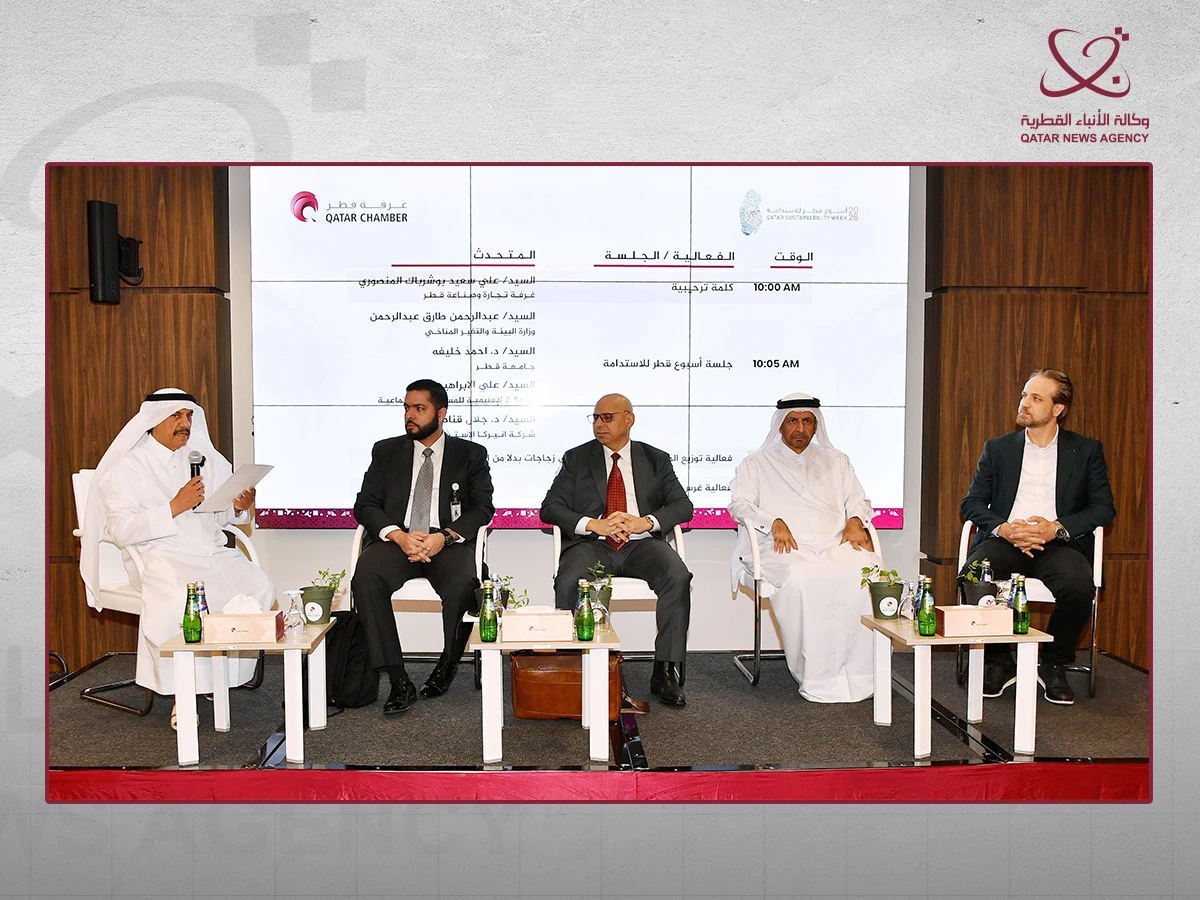
الدوحة في 02 نوفمبر /قنا/ أكدت غرفة قطر أن الاستدامة ركيزة أساسية لبناء اقتصاد أكثر تنوعا وكفاءة، وتحقيق التوازن بين النمو الاقتصادي والمحافظة على الموارد الطبيعية وحقوق الأجيال القادمة، بما يتماشى مع أهداف رؤية قطر الوطنية 2030.
جاء ذلك في كلمة السيد علي بوشرباك المنصوري، المدير العام المكلف بغرفة قطر، خلال ندوة عن الاستدامة وزراعة الشتلات واستبدال العبوات البلاستيكية بالزجاجية، ضمن فعاليات أسبوع قطر للاستدامة.
وأوضح أن غرفة قطر تولي اهتماما كبيرا للاستدامة باعتبارها جزءا أصيلا من مسؤوليتها الاجتماعية والمؤسسية، ليقينها بأن دور المؤسسات لا يقتصر على تحقيق العائد الاقتصادي، بل يسهم في تنمية المجتمع والمحافظة على البيئة، وتعزيز الممارسات التجارية المسؤولة، مؤكدا أن القطاع الخاص شريك أساسي في تحقيق الاستدامة، وأن تبني الممارسات المسؤولة، وترشيد استخدام الموارد، والاستثمار في تنمية الموارد البشرية، وتعزيز الحوكمة، كلها عوامل تسهم في بناء اقتصاد مستدام ومجتمع أكثر ازدهارا.
وأشار المنصوري إلى حرص الغرفة على نشر ثقافة المسؤولية الاجتماعية والاستدامة من خلال تنظيم المؤتمرات والندوات وبرامج التدريب والتأهيل، والتعريف بالمعايير الدولية ذات الصلة، وتشجيع الشركات على تبني مبادئ البيئة والمجتمع والحوكمة، ودمجها في استراتيجياتها وممارساتها المؤسسية.
وقد تحدث في الندوة كل من السيد عبدالرحمن طارق عبدالرحمن، ممثلا عن وزارة البيئة والتغير المناخي، والدكتور أحمد خليفة، ممثلا عن كلية الإدارة والاقتصاد بجامعة قطر، والدكتور علي الإبراهيم، ممثلا للشبكة الإقليمية للمسؤولية المجتمعية، والدكتور جلال قناص أستاذ الاقتصاد في كلية الإدارة والاقتصاد بجامعة قطر.
وتحدث السيد عبدالرحمن طارق عبدالرحمن عن دور وزارة البيئة والتغير المناخي في أسبوع قطر للاستدامة، وعن الدور الذي تقوم به الوزارة على صعيد تعزيز الاستدامة باعتبارها أمرا أساسيا في الحياة، فضلا عن توعية المواطنين والمقيمين بكيفية الاستخدام السليم للموارد الطبيعية وتقليل استهلاكها والحد من التلوث.
وأشار إلى أن الوزارة تقوم بإجراء دراسات وبحوث تتعلق بالاستدامة وقياس مدى تطبيق معايير الاستدامة ومدى استمرارية تطبيقها، ونشر حقائب معرفية وتعليمية عن البيئة.
ومن جانبه، تحدث الدكتور أحمد خليفة عن التكنولوجيا الاقتصادية للحد من الانبعاثات الكربونية، لافتا إلى أن جامعة قطر تقوم بتطبيق خمسة محاور لتعزيز الاستدامة؛ الأول استدامة الحرم الجامعي وقياس مدى تلوث الهواء داخله وكفاءة استخدام الماء والكهرباء.
ويتعلق المحور الثاني بالفصول الدراسية وما يطرح داخلها من برامج مرتبطة بحماية البيئة والسلامة، مع تطوير برامج اقتصادية في مجال الاستدامة، والثالث بالمراكز البحثية في الجامعة وعلاقتها بالاستدامة، والرابع بدور الجامعة في الابتكار، أما المحور الخامس فهو دور مجتمع الأعمال في دعم مبادرات جامعة قطر.
وتحدث الدكتور علي الإبراهيم عن دور المنظمات في تحقيق أهداف التنمية والاستدامة، لافتا إلى أن الشبكة الإقليمية للمسؤولية المجتمعية مؤسسة مهنية دولية غير هادفة للربح، تم تأسيسها في عام 2007 وتعمل في 24 دولة، وتهدف إلى رفع مستوى الوعي حول المسؤولية المجتمعية للشركات والمؤسسات، والعمل على تعزيزها في الشركات والمؤسسات والقطاعات الحكومية والأهلية والخاصة.
وأشار إلى أن الشبكة الإقليمية تعمل على مواكبة أهداف التنمية المستدامة 2030 التي أقرتها الأمم المتحدة في عام 2015، مشيرا إلى العديد من المبادرات التي قامت بها الشبكة دعما للاستدامة، من بينها برنامج السفراء الدوليين للمسؤولية المجتمعية وبرنامج المفوض الأممي للترويج لأهداف الأمم المتحدة للتنمية المستدامة 2030.
وقدم الدكتور جلال قناص ورقة عمل بعنوان "من السياسات الوطنية إلى تنافسية الأعمال: القيمة الاقتصادية للاستدامة في دولة قطر"، تحدث فيها عن الاستدامة وكيفية بناء اقتصاد له دور في النمو على المدى الطويل، لافتا إلى أن الاستدامة مفهوم شمولي لا يقتصر ارتباطه فقط بالمجال البيئي، بل يشمل مختلف المجالات والقطاعات.
Doha, November 02 (QNA) - Qatar Chamber affirmed that sustainability is a core pillar for building a more diversified and efficient economy, and for balancing economic growth, the preservation of natural resources, and the rights of future generations, in accord with the objectives of Qatar National Vision 2030.
This came in remarks by Acting General Manager of Qatar Chamber, Ali Bu Sherbak Al Mansori, during a seminar on sustainability, seedling planting, and replacing plastic containers with glass alternatives, as part of Qatar Sustainability Week.
Al Mansori explained that Qatar Chamber attaches great importance to sustainability as an integral part of its social and institutional responsibility, recognizing that the role of institutions isn't limited to generating economic returns, but also contributes to community development, environmental preservation, and the promotion of responsible business practices.
He stressed that the private sector is a key partner in achieving sustainability, and that adopting responsible practices, rationalizing resource use, investing in human resource development, and strengthening governance all contribute to building a sustainable economy and a more prosperous society.
Al Mansori noted the Chamber's commitment to promoting a culture of social responsibility and sustainability through organizing conferences, seminars, training and capacity-building programs, raising awareness of relevant international standards, and encouraging companies to adopt Environmental, Social, and Governance (ESG) principles and integrate them into their strategies and institutional practices.
The seminar featured remarks by Abdulrahman Tareq Abdulrahman, representing the Ministry of Environment and Climate Change (MECC); Dr. Ahmed Khalifa, representing the College of Business and Economics at Qatar University; Dr. Ali Al Ibrahim, representing the Regional Network for Social Responsibility; and Dr. Jalal Qannas, a professor of economics at the College of Business and Economics at Qatar University (QU).
Abdulrahman spoke about the role of MECC during Qatar Sustainability Week and its ongoing efforts to promote sustainability as an essential part of daily life, as well as raise awareness among citizens and residents about the proper use of natural resources, reducing their consumption, and curbing pollution.
He noted that MECC conducts studies and research related to sustainability, measures the extent to which sustainability standards are being implemented and how consistently they are applied, and publishes educational and knowledge resources on the environment.
For his part, Dr. Ahmed Khalifa discussed economic and technological solutions for reducing carbon emissions, noting that QU is implementing five core pillars to advance sustainability. The first concerns campus sustainability, including monitoring air pollution on campus and the efficiency of water and electricity use.
The second pillar concerns classrooms and the programs offered there related to environmental protection and safety, alongside the development of economic programs in sustainability. The third focuses on the University's research centers and their relationship with sustainability, while the fourth addresses QU's role in innovation. The fifth concerns the role of the business community in supporting QU's initiatives.
Dr. Ali Al Ibrahim discussed the role of organizations in achieving development and sustainability goals, noting that the Regional Network for Social Responsibility is an international professional non-profit organization established in 2007 and operating in 24 countries. It aims to raise awareness of corporate and institutional social responsibility and promote it across companies, institutions, government, civil society and private-sector organizations.
He noted that the Regional Network works to advance the UN Sustainable Development Goals (SDGs) 2030, adopted by the United Nations in 2015, citing several initiatives launched by the Network in support of sustainability, including the International Ambassadors for Social Responsibility Programme and the UN Commissioner Programme to promote the UN Sustainable Development Goals 2030.
Dr. Jalal Qannas presented a paper titled "From National Policies to Business Competitiveness: The Economic Value of Sustainability in Qatar", discussing sustainability and how to build an economy that contributes to long-term growth.
He noted that sustainability is an inclusive concept that isn't confined to the environmental field but encompasses various fields and sectors. (QNA)
Introducing the first Qatari social business platform, fostering collaboration between Government, private sectors, and users for easy access and communication, promoting innovation and success in business....
Read more