Loading…
The page could not finish loading. Please try again.
Loading…
The page could not finish loading. Please try again.
Are you ready to elevate your business to the next level? Upgrade to a premium account today and unlock a range of exclusive features designed to enhance your experience and drive success...
Read more
The Sixth World Conference on International Arbitration concluded on Wednesday with a set of key recommendations aimed at advancing arbitration, enhancing its efficiency and keeping pace with legislative and technological developments.
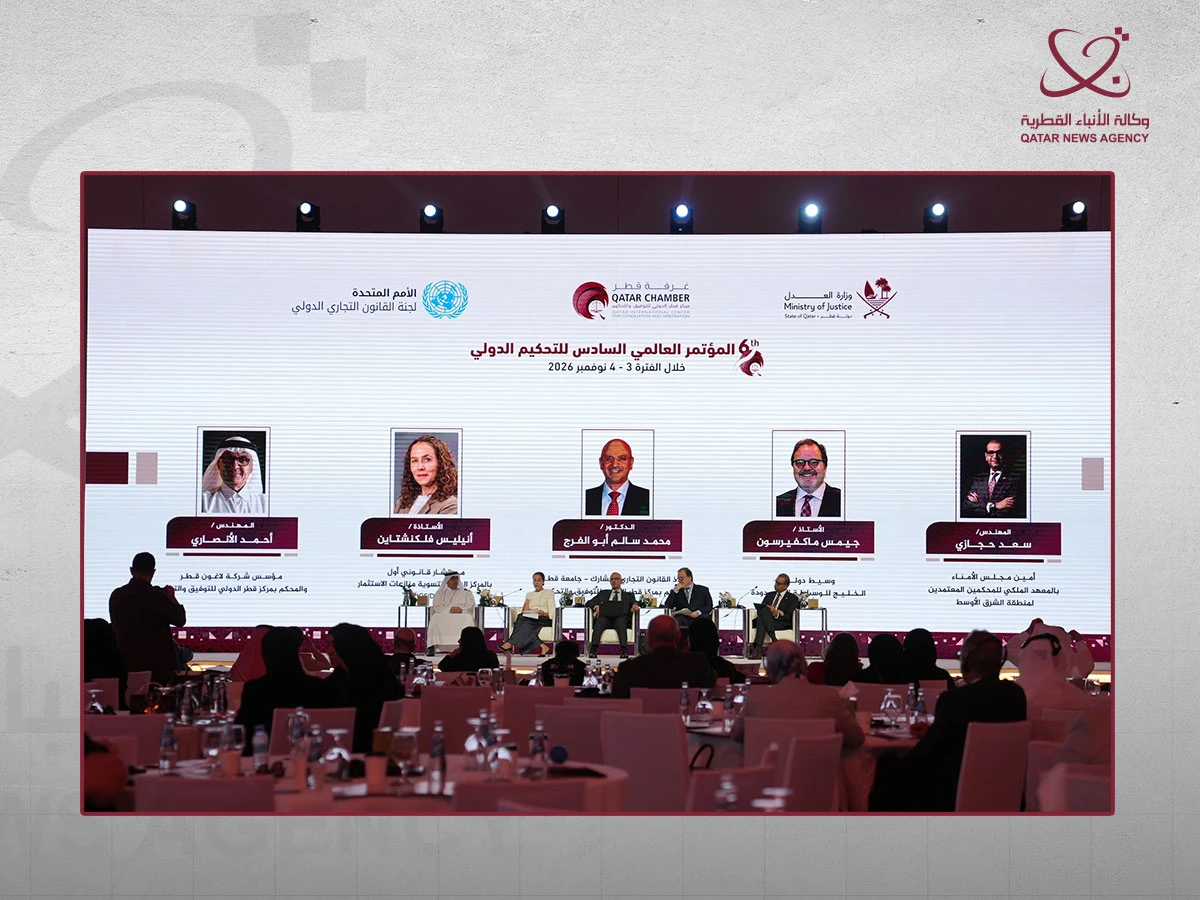
الدوحة في 04 نوفمبر /قنا/ اختتم المؤتمر العالمي السادس للتحكيم الدولي، والذي عقد على مدى يومي 3 و4 نوفمبر الجاري، بمجموعة من التوصيات التي تهدف إلى تطوير منظومة التحكيم الدولي، وتعزيز كفاءتها ومواكبة المتغيرات التشريعية والتكنولوجية.
وشارك في المؤتمر الذي نظمه مركز قطر الدولي للتوفيق والتحكيم التابع لغرفة قطر تحت عنوان "الوسائل البديلة لتسوية المنازعات في عالم متغير: من الرقابة القضائية إلى الذكاء الاصطناعي"، نخبة من الخبراء والقانونيين والمحكمين من قطر ومختلف دول العالم، وحضر سعادة الشيخ خليفة بن جاسم بن محمد آل ثاني رئيس مجلس إدارة غرفة قطر ورئيس مجلس إدارة مركز قطر الدولي للتوفيق والتحكيم جانبا من الجلسات النقاشية لليوم الختامي.
وأكدت التوصيات أهمية تعزيز التكامل بين القضاء والتحكيم، وتطوير التشريعات المنظمة له، ووضع ضوابط للاستخدام المسؤول للذكاء الاصطناعي في الإجراءات التحكيمية، بما يحافظ على السرية، والخصوصية واستقلال المحكمين وحيادهم.
كما دعت إلى تعزيز دور مراكز التحكيم وتبني الحلول التقنية الحديثة، وتوسيع استخدام الوساطة في تسوية المنازعات، لا سيما الاستثمارية، وترسيخ أخلاقيات المهنة ومعايير النزاهة والاستقلال والحياد.
وشملت التوصيات كذلك دعم تأهيل المحكمين والوسطاء الشباب، وتعزيز مشاركة المرأة في مجال التحكيم، وتوسيع التعاون بين مراكز التحكيم والمؤسسات القضائية والأكاديمية في منطقة الخليج والعالم العربي، وتبادل الخبرات ونشر الأحكام والمبادئ القضائية ذات الصلة بالتحكيم والوساطة، إلى جانب مواصلة البحث العلمي والحوار المهني لاستشراف مستقبل التحكيم وتحقيق التوازن بين التطور التقني ومتطلبات العدالة.
على صعيد آخر شهد اليوم الثاني من المؤتمر العالمي السادس للتحكيم الدولي انعقاد أربع جلسات متخصصة، ناقشت أبرز القضايا والتطورات المرتبطة بالتحكيم الدولي ووسائل تسوية المنازعات البديلة، بما في ذلك الوساطة، وتنفيذ أحكام التحكيم، وأخلاقيات التحكيم في ظل الذكاء الاصطناعي، إلى جانب دور المرأة في هذا المجال.
واستعرضت الجلسة الأولى، التي جاءت بعنوان "التحكيم الدولي في الممارسة العملية: من الاتفاق إلى تنفيذ الحكم"، الجوانب العملية والإجرائية للتحكيم الدولي، ومراحل تنفيذ الأحكام، والتحديات التي تواجه أطراف النزاع خلال الانتقال من اتفاق التحكيم إلى صدور الحكم وتنفيذه، أما الجلسة الثانية، التي حملت عنوان "الوساطة: مرونة التسوية وآليات التكامل مع التحكيم"، فقد تناولت دور الوساطة في تسوية المنازعات، وما توفره من حلول مرنة وفعالة، إلى جانب مناقشة سبل تعزيز التكامل بينها وبين التحكيم باعتبارهما من أبرز الوسائل البديلة لتسوية النزاعات.
وفي سياق تعزيز التنوع والشمولية في قطاع التحكيم، ناقشت الجلسة الثالثة موضوع "المرأة والتحكيم بين الواقع والمأمول"، مسلطة الضوء على واقع مشاركة المرأة في مجال التحكيم، والتحديات المهنية والمؤسسية التي تواجهها، والفرص المتاحة لتعزيز حضورها وإسهاماتها في هذا المجال على المستويين الإقليمي والدولي.
واختتمت الجلسات بمناقشة موضوع "أخلاقيات التحكيم في مواجهة الذكاء الاصطناعي"، حيث ناقش المشاركون انعكاسات التطورات التقنية المتسارعة على مهنة التحكيم، والتحديات الأخلاقية والقانونية المرتبطة باستخدام تطبيقات الذكاء الاصطناعي، فضلا عن أهمية الحفاظ على مبادئ النزاهة والاستقلالية والسرية والشفافية في إجراءات التحكيم.
وحرص المشاركون في الجلسات على فتح آفاق الحوار وتبادل الخبرات بين المختصين، ومواكبة التحولات التي يشهدها قطاع التحكيم الدولي، بما يسهم في تطوير الممارسات القانونية وتعزيز كفاءة منظومة تسوية المنازعات على المستويين الإقليمي والدولي.
وعلى هامش فعاليات اليوم الثاني للمؤتمر، وقع مركز قطر الدولي للتوفيق والتحكيم بغرفة قطر مذكرة تفاهم مع مركز رأس الخيمة للوساطة والتحكيم التابع لغرفة رأس الخيمة بدولة الإمارات العربية المتحدة.
وقع الاتفاقية من جانب مركز قطر السيد إبراهيم شهبيك الأمين العام للمركز، بينما وقع من جانب مركز رأس الخيمة المستشار الدكتور إبراهيم شوقي جوهر، وذلك بحضور سعادة السيد سعيد عبدالله القمزي سفير دولة الإمارات العربية المتحدة لدى دولة قطر وسعادة الدكتور الشيخ ثاني بن علي آل ثاني نائب رئيس مجلس إدارة مركز قطر الدولي للتوفيق والتحكيم، والسيد علي بوشرباك المنصوري المدير العام المكلف بغرفة قطر، والدكتور راشد النعيمي مدير عام غرفة رأس الخيمة.
Doha, November 04 (QNA) - The Sixth World Conference on International Arbitration concluded on Wednesday with a set of key recommendations aimed at advancing arbitration, enhancing its efficiency and keeping pace with legislative and technological developments.
The two-day conference was organized by the Qatar International Center for Conciliation and Arbitration (QICCA) at the Qatar Chamber, held under the theme "ADR in a Changing World: From Judicial Oversight to AI".
HE Sheikh Khalifa bin Jassim bin Mohamed Al-Thani, the chairman of both Qatar Chamber and QICCA, attended part of sessions of the closing day and met with a number of participants.
The recommendations emphasized strengthening complementarity between the judiciary and arbitration, modernizing arbitration legislation, and establishing guidelines for the responsible use of artificial intelligence in arbitral proceedings while safeguarding confidentiality, privacy, and the independence and impartiality of arbitrators.
They also called for encouraging arbitration centers to adopt modern technologies, promoting mediation and other amicable dispute resolution methods, particularly in investment disputes, and upholding the highest standards of integrity, independence, impartiality, and professional ethics.
Furthermore, the recommendations highlighted the importance of training young arbitrators and mediators, enhancing women's participation in arbitration, and expanding cooperation among arbitration centers, judicial institutions, and academic bodies across the Gulf and Arab regions.
The conference also stressed the need to exchange expertise, publish relevant arbitral awards and judicial principles, and continue research and professional dialogue to shape the future of arbitration while balancing technological progress with the requirements of justice.
The conference's second day featured four specialized sessions addressing key issues and developments in international arbitration and alternative dispute resolution (ADR), including mediation, enforcement of arbitral awards, the ethics of arbitration in the age of AI, and women's participation in arbitration. The sessions brought together a distinguished group of legal experts, arbitrators and practitioners from Qatar and around the world.
The first session, titled "International Arbitration in Practice: From the Arbitration Agreement to the Enforcement of the Award," examined practical and procedural aspects of international arbitration, from concluding arbitration agreements to enforcing arbitral awards.
The second panel, titled "Mediation: The Flexibility of Settlement and Mechanisms for Integration with Arbitration," explored the role of mediation in resolving disputes and ways to strengthen its integration with arbitration.
The third session, titled "Women and Arbitration: Progress, Challenges, and the Road Ahead," examined women's participation in arbitration.
The fourth session addressed "The Ethics of Arbitration in the Face of AI," examining the ethical and professional considerations arising from the growing use of artificial intelligence in arbitration proceedings.
On the sidelines of the conference's closing day, QICCA signed an MoU with the Ras Al Khaimah Center for Mediation and Arbitration, at the Ras Al Khaimah Chamber of Commerce and Industry in the United Arab Emirates.
The MoU was signed on behalf of QICCA by Ibrahim Shahbek, Secretary-General of the Center, and on behalf of the Ras Al Khaimah Center by Legal Consultant Dr. Ibrahim Shawqi Jawhar.
The signing ceremony was attended by HE Ambassador of the UAE to the State of Qatar Abdullah Al Qamzi; HE Sheikh Dr. Thani bin Ali Al-Thani, Vice Chairman of QICCA; Ali Bu Sherbak Al Mansouri, Acting General Manager of Qatar Chamber; and Dr. Rashid Al Nuaimi, Director-General of Ras Al Khaimah Chamber. (QNA)
Introducing the first Qatari social business platform, fostering collaboration between Government, private sectors, and users for easy access and communication, promoting innovation and success in business....
Read more