Loading…
The page could not finish loading. Please try again.
Loading…
The page could not finish loading. Please try again.
Are you ready to elevate your business to the next level? Upgrade to a premium account today and unlock a range of exclusive features designed to enhance your experience and drive success...
Read more
The Qatar International Center for Conciliation and Arbitration (QICCA) examined the latest developments in the field of international arbitration and the promotion of the exchange of expertise among experts, practitioners, and academics to advance arbitration practices and reinforce the State of Qatar's position as a regional and international hub for dispute resolution.
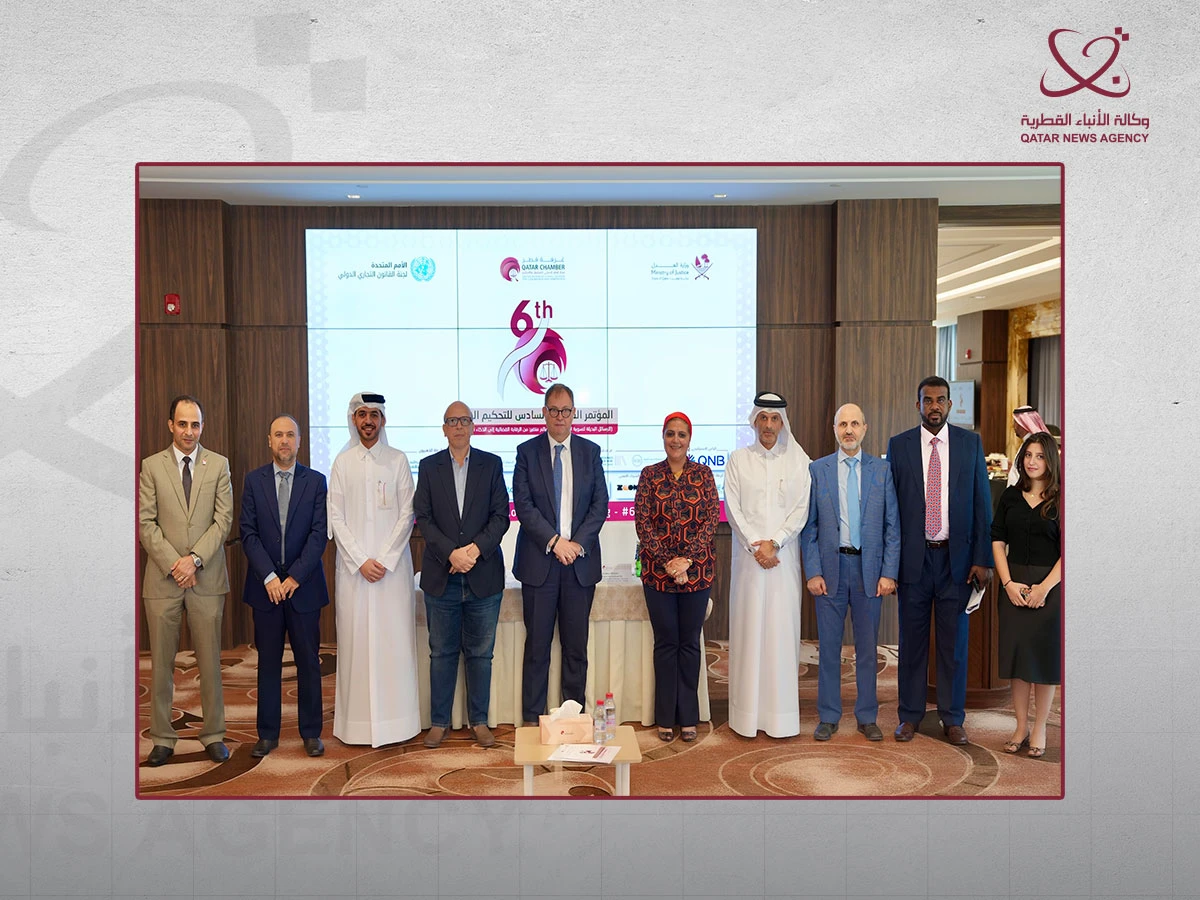
الدوحة في 05 نوفمبر /قنا/ بحثت ندوة نظمها مركز قطر الدولي للتوفيق والتحكيم اليوم، أحدث التطورات في مجال التحكيم الدولي، وتعزيز تبادل الخبرات بين الخبراء والممارسين والأكاديميين، بما يسهم في تطوير الممارسات التحكيمية وترسيخ مكانة دولة قطر كمركز إقليمي ودولي لتسوية المنازعات.
وجاءت الندوة في إطار الفعاليات المصاحبة للمؤتمر العالمي السادس للتحكيم الدولي حضرها سعادة الدكتور الشيخ ثاني بن علي آل ثاني نائب رئيس مجلس إدارة المركز، والسيد إبراهيم شهبيك الأمين العام، وبمشاركة نخبة من الأكاديميين والخبراء في مجال القانون والتحكيم الدولي، إلى جانب طلبة جامعتي قطر ولوسيل.
وتحدث في الندوة البروفيسور لوكاس ميستيليس، الشريك بمكتب "ستيبتو" في المملكة المتحدة، ومدير مدرسة التحكيم الدولي بمركز دراسات القانون التجاري في جامعة كوين ماري بلندن، والدكتور عثمان نور عثمان، الأستاذ المشارك في القانون التجاري بجامعة لوسيل.
وقدم البروفيسور ميستيليس عرضا بعنوان "الاتجاهات العالمية وتوقعات المستخدمين ومستقبل التحكيم الدولي"، استعرض خلاله أبرز نتائج الدراسات والاستطلاعات التي أجريت على مدى أكثر من 20 عاما، بشأن تطور التحكيم الدولي وتوجهات المستخدمين.
كما تناول بوجه الخصوص نتائج الاستطلاع الذي أجري في عام 2025، مسلطا الضوء على أبرز الاتجاهات العالمية في هذا المجال، بما في ذلك تفضيلات أطراف النزاعات فيما يتعلق بمراكز التحكيم وقواعده، وأهمية تعزيز الكفاءة وخفض التكاليف وتسريع الإجراءات، إلى جانب تنامي دور التكنولوجيا والذكاء الاصطناعي في تطوير ممارسات التحكيم وتسوية المنازعات.
وتحدث الدكتور عثمان نور عثمان عن المسؤولية الشخصية للمحكم عن الإخلال بأحكام اتفاق التحكيم، متناولا أثر الإخلال بالمواعيد والمقر المتفق عليهما على صحة حكم التحكيم وقابليته للتنفيذ، فضلا عن المسؤولية الشخصية للمحكم.
Doha, November 05 (QNA) - The Qatar International Center for Conciliation and Arbitration (QICCA) examined the latest developments in the field of international arbitration and the promotion of the exchange of expertise among experts, practitioners, and academics to advance arbitration practices and reinforce the State of Qatar's position as a regional and international hub for dispute resolution.
Held as part of the activities accompanying the Sixth World Conference on International Arbitration, the seminar was attended by HE Vice Chairman of QICCA Sheikh Dr. Thani bin Ali Al-Thani and Secretary-General Ibrahim Shahbek, alongside a distinguished group of legal experts, arbitration practitioners, and students from Qatar University and Lusail University.
The session featured presentations by Professor Loukas Mistelis, Partner at Steptoe International in the UK and Director of the School of International Arbitration at the Centre for Commercial Law Studies, Queen Mary University of London; and Dr. Osman Nour Osman, Associate Professor of Commercial Law at Lusail University.
In his presentation titled "Global Trends, User Expectations and the Path Forward," Professor Mistelis reviewed key findings from studies and surveys conducted over the past two decades regarding the evolution of international arbitration and user preferences.
He highlighted key insights from the 2025 survey, examining parties' institutional preferences, the growing demand for cost efficiency and expedited proceedings, and the expanding role of artificial intelligence and digital technology in modern dispute resolution.
In turn, Dr. Osman Nour Osman addressed the personal liability of arbitrators for breaches of the arbitration agreement. He examined the legal implications of failing to comply with agreed deadlines and procedural seats, assessing how such breaches impact the validity and enforceability of arbitral awards and the scope of an arbitrator's professional accountability. (QNA)
Introducing the first Qatari social business platform, fostering collaboration between Government, private sectors, and users for easy access and communication, promoting innovation and success in business....
Read more