Why You Need a Premium Account?
Are you ready to elevate your business to the next level? Upgrade to a premium account today and unlock a range of exclusive features designed to enhance your experience and drive success...
Read more

المدير التنفيذي لمركز قطر للتطوير المهني: المركز يشكل جسرا حيويا بين التعليم وسوق العمل ويدعم جاهزية الأجيال لوظائف المستقبل
Executive Director of the Qatar Career Development Center (QCDC), Saad Abdullah Al Kharji, affirmed the Center's pivotal role as a strategic bridge between education and the labor market. He noted that QCDC supports generations of students in preparing for future career paths through a comprehensive, year-round system of interactive programs that span all stages of career development, from academic achievement to professional integration.
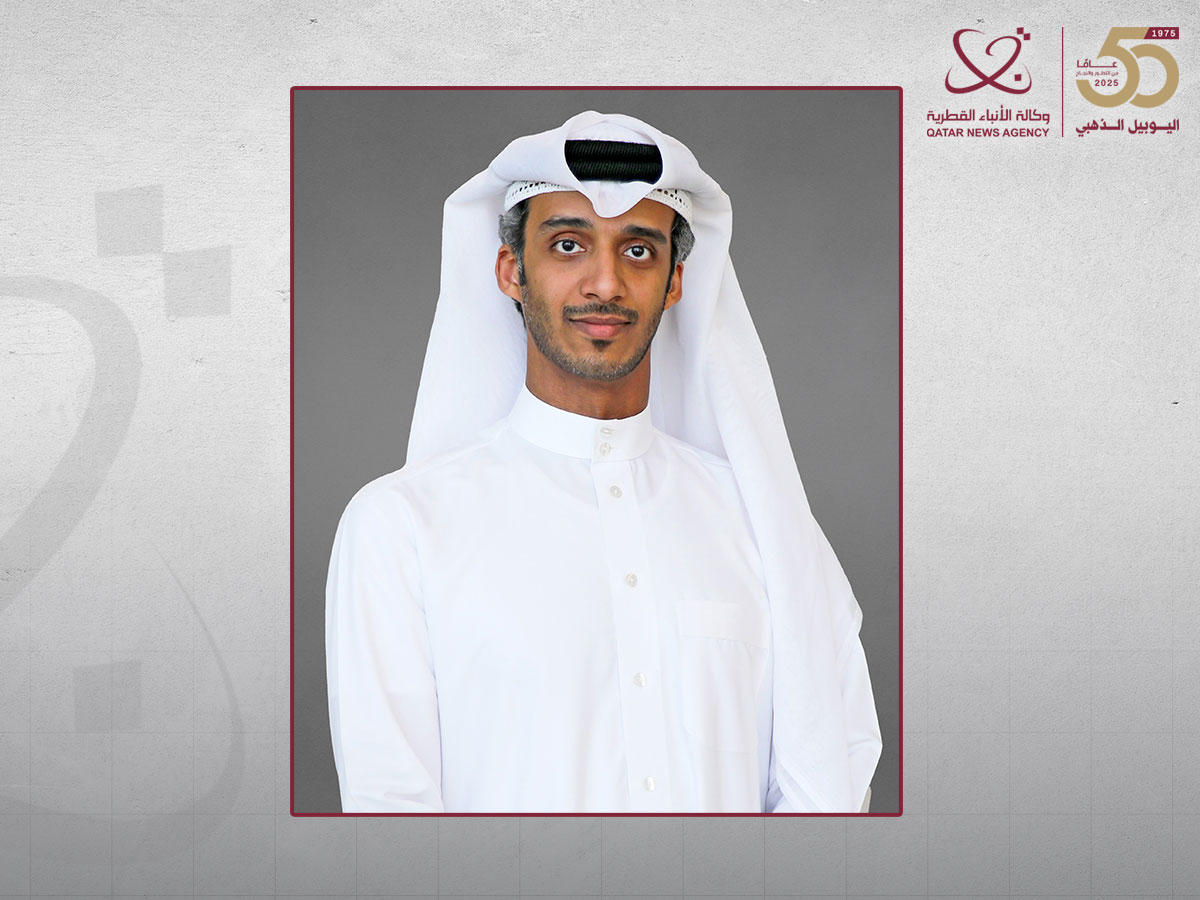
الدوحة في 03 يوليو /قنا/ أكد السيد سعد عبدالله الخرجي المدير التنفيذي لمركز قطر للتطوير المهني، عضو مؤسسة قطر للتربية والعلوم وتنمية المجتمع، المكانة التي يمثلها المركز كجسر حيوي بين التعليم وسوق العمل، وداعما لجاهزية الأجيال لوظائف المستقبل من خلال منظومة متكاملة للبرامج التفاعلية على مدار العام، تغطي مراحل متعددة من مسيرة الطلبة، بدءاً من التحصيل الأكاديمي وحتى الالتحاق بسوق العمل.
وأوضح الخرجي، في مقابلة خاصة مع وكالة الأنباء القطرية "قنا"، أن المركز، وانطلاقاً من إيمانه العميق بأهمية التدخل المهني المبكر، ينفذ مجموعة من برامج المعايشة المهنية تبدأ بمبادرة "الموظف الصغير"، التي مكّنت، على مدى خمس نسخ، أكثر من 2000 طفل تتراوح أعمارهم بين 7 و15 عاماً من مرافقة ذويهم في أماكن عملهم، والتعرّف على مفاهيم أساسية في عالم العمل.
وأضاف أن المركز ينظم أيضاً فعالية "القرية المهنية"، التي استقطبت، في آخر نسخة لها، أكثر من 40 جهة من القطاعين العام والخاص، ومن مختلف المجالات الاقتصادية الحيوية بالدولة، ووفرت فرص محاكاة واقعية لمهن المستقبل لما يزيد على 12 ألف طالب وطالبة من المرحلة الثانوية، وذلك منذ انطلاقتها عام 2017 عبر ست نسخ متتالية.
وأشار إلى أن فعالية "القرية المهنية" تُمثّل المرحلة الأولى من رحلة الطالب نحو اكتشاف ميوله، يليها برنامج "مهنتي – مستقبلي"، الذي يتيح لهم خوض تجربة تدريب داخلي تمتد لأسبوع كامل ضمن جهات العمل التي يختارونها بما يتماشى مع اهتماماتهم وطموحاتهم الأكاديمية والمهنية.
ولفت إلى أن البرنامج درّب حتى الآن أكثر من 500 طالب وطالبة، بمعدل تجاوز 12 ألف ساعة تدريبية تراكمية، كاشفاً عن انطلاق نسخة موسعة من البرنامج يوم الأحد الموافق 6 يوليو الجاري، تستضيف أكثر من 250 طالباً وطالبة من مختلف مدارس الدولة، يتوزعون على 25 جهة من قطاعات متنوعة تشمل الطب، والطيران، والطاقة، والإعلام، والاتصال، والمال، وإدارة الأعمال، والقضاء، والسياحة، والإدارة الرياضية، والتكنولوجيا، والهندسة، والاتصالات، والعمل الإنساني والاجتماعي، وغيرها من التخصصات المرتبطة بمسارات التنمية المستدامة في الدولة.
وبيّن المدير التنفيذي للمركز أن هذه البرامج تتكامل مع خدمات مهنية أخرى، من أبرزها برنامج "الدليلة" الذي يوفّر جلسات إرشاد فردي تخصصية، إلى جانب منشورات توعوية مثل مجلة "دليلك المهني"، التي يُعمل حاليًا على إصدار عددها السادس عشر مع بداية العام الأكاديمي 2025"2026، فضلاً عن ورش العمل التدريبية التي تُنظم في مختلف المؤسسات بناءً على طلبها.
وفيما يتعلق بدور المركز في سد الفجوة بين التعليم الأكاديمي ومتطلبات سوق العمل، أكد الخرجي أن برامج الإرشاد الميداني والتدريب العملي والمعايشة المهنية والحملات التوعوية، تُمكّن الطلبة من فهم واقع سوق العمل، وتربط المعرفة النظرية بالتطبيق العملي، بما يُسهم في تحقيق أحد محاور رؤية قطر الوطنية 2030، وهو تنمية رأس المال البشري. وقال إن المركز يمثل جسراً حيوياً بين النظرية والتطبيق، ورافداً أساسياً لسوق العمل بكوادر مؤهلة ومتمكنة.
وعن أبرز القطاعات التي يستهدفها المركز لتزويد الطلبة بالمهارات والخبرات، أشار إلى أن اختيار هذه القطاعات يتم بناءً على عدة اعتبارات، من بينها الاطلاع على بيانات سوق العمل، والتشاور المستمر مع الشركاء في قطاعي التعليم والعمل وصناع السياسات، إلى جانب نتائج الدراسات الميدانية التي يجريها المركز، والاستطلاعات التي تقيس طموحات وميول الشباب في الدولة.
وأوضح أن التركيز يتم على مجموعتين من القطاعات: الأولى هي القطاعات الاستراتيجية الراسخة، مثل الطاقة، والصناعات التحويلية، والمال وإدارة الأعمال، والطيران، والنقل، والرعاية الصحية المتقدمة، لما لها من دور أساسي في دعم الاقتصاد الوطني، والثانية هي القطاعات الناشئة، مثل الذكاء الاصطناعي، والبيانات الضخمة، والطاقة المتجددة، والتكنولوجيا المالية، والرياضة، لما تمثّله من فرص مستقبلية واعدة.
وأكد السيد سعد عبدالله الخرجي اعتماد المركز نهجاً تشخيصياً متكاملاً في الإرشاد المهني، عبر نظام إلكتروني متطور يشمل تقييمات نفسية وتحليل الشخصية وتقديم التوصيات بالمسارات الأنسب لكل طالب، كما يوفر برنامج "الدليلة" خمس جلسات فردية تُترجم نتائج هذه التقييمات إلى خطط دراسية ومهنية ملموسة، وقد أظهرت الدراسات ارتفاع مستوى وعي المشاركين بعد إكمال البرنامج.
وحول جهود المركز في تأسيس منظومة وطنية للتوجيه والتطوير المهني، قال المدير التنفيذي إن المركز ينظم "لقاء شركاء التوجيه المهني" بشكل دوري لتنسيق الجهود بين مختلف الجهات المعنية، مشيراً إلى أن المركز، وبالشراكة مع وزارة التربية والتعليم والتعليم العالي، نظم جلسة حوارية لوضع اللبنات الأولى لتأسيس هذه المنظومة، تحت رعاية سعادة السيدة لولوة بنت راشد الخاطر، وزير التربية والتعليم والتعليم العالي.
وأضاف الخرجي أن الجلسة تضمنت مجموعات عمل مصغرة، وخرجت بتوصيات تهدف إلى ترجمة أهداف الشركاء إلى خطة تنفيذية تدعم استراتيجية التنمية الوطنية الثالثة لدولة قطر (2024–2030)، خاصة في ما يتعلق بمحور تنمية رأس المال البشري وتعزيز الجاهزية لسوق العمل.
وأكد أن المركز يتبنى نهجًا يقوم على مبدأ "التوجيه المهني مدى الحياة"، يبدأ منذ الطفولة، مشيرًا إلى برامج توعوية وتثقيفية مثل "الموظف الصغير"، وحملات إعلامية عبر مختلف الوسائط، فضلًا عن إصدارات متنوعة تخاطب الطلبة وأولياء الأمور بلغة عصرية، وتكرّس ثقافة التعلم المستمر واتخاذ قرارات مهنية مستنيرة.
وفي سياق متصل، لفت المدير التنفيذي لمركز قطر للتطوير المهني إلى أن أبرز التحديات التي تواجه التوجيه المهني في المجتمع هي ضعف الوعي بأهميته، وتأخر الطلاب في اكتشاف ميولهم، وضغوط الأسرة والمجتمع على الأبناء، إلى جانب التغير السريع في سوق العمل الذي يصعب على المناهج التقليدية مجاراته، بالإضافة إلى الحاجة لزيادة عدد الكوادر المتخصصة في الإرشاد المهني ورفع كفاءاتها.
وأوضح أن المركز يعمل على مواجهة هذه التحديات من خلال مبادرات مثل "ملتقى المرشدين المهنيين"، الذي ينظمه سنوياً بالتعاون مع وزارة التربية والتعليم والتعليم العالي، ويستهدف تدريب أكثر من 250 مرشداً على أحدث أساليب الإرشاد المهني.
وفي ختام حديثه لوكالة الأنباء القطرية "قنا"، أكد السيد سعد عبدالله الخرجي المدير التنفيذي لمركز قطر للتطوير المهني أن الاستراتيجية المستقبلية للمركز تنبثق من مشروع المنظومة الوطنية للتوجيه والتطوير المهني، وتتمحور حول ثلاث أولويات رئيسية، هي: تسريع التحول الرقمي في خدمات التوجيه المهني، من خلال تطوير أنظمة التقييم المعززة بالذكاء الاصطناعي وتقديم الإرشاد عبر منصات إلكترونية آمنة؛ بالإضافة إلى استكمال الأطر الوطنية لاحترافية الممارسين في مجال التوجيه المهني، عبر خطط تشغيلية واضحة ومعايير موحدة وبرامج تدريب معتمدة؛ إلى جانب تعزيز الشمولية، من خلال تصميم برامج مخصصة لذوي الإعاقة وصعوبات التعلم، مثل برنامجي "لأنك تقدر" و"معًا نزدهر"، وذلك دعمًا لقرارات الدولة في مجال التوظيف والدمج المجتمعي، مؤكدا أن هذه الركائز تهدف إلى بناء قوة عمل وطنية تتمتع بجاهزية مهنية حقيقية، وقابلية للتعلّم والتكيّف، وتعزز تنافسية الدولة إقليمياً وعالمياً، وتسهم في استدامة الاقتصاد المعرفي لدولة قطر.
Doha, July 03 (QNA) - Executive Director of the Qatar Career Development Center (QCDC), Saad Abdullah Al Kharji, affirmed the Center's pivotal role as a strategic bridge between education and the labor market. He noted that QCDC supports generations of students in preparing for future career paths through a comprehensive, year-round system of interactive programs that span all stages of career development, from academic achievement to professional integration.
Speaking to Qatar News Agency (QNA), Al Kharji emphasized the Center's firm belief in the importance of early career intervention. He explained that QCDC implements a series of immersive career exploration initiatives, starting with the Little Employee program. Over five editions, this initiative has engaged more than 2,000 children aged 7 to 15, allowing them to accompany their parents to work and introducing them to foundational workplace concepts.
Al Kharji also highlighted the Career Village event, which, in its latest edition, brought together over 40 public and private sector entities, including key players from various vital economic sectors. Since its inception in 2017, Career Village has provided hands-on, simulated career experiences to more than 12,000 high school students over six consecutive editions.
He described Career Village as the first step in a student's journey of self-discovery, followed by the My Career - My Future program, which offers a week-long internship experience tailored to students' academic and professional interests. The program has so far trained over 500 male and female students, logging more than 12,000 cumulative training hours. A significantly expanded version of the program is set to launch on Sunday, July 6, with more than 250 students placed across 25 organizations representing diverse sectors such as medicine, aviation, energy, media, communications, finance, business administration, judiciary, tourism, sports management, technology, engineering, humanitarian work, and other fields aligned with Qatar's sustainable development goals.
Al Kharji noted that these programs are part of a broader portfolio of professional services offered by QCDC, including the Dalila program, which delivers personalized career guidance sessions. He also referenced the Your Professional Guide magazine, currently preparing its 16th issue for release at the start of the 2025/2026 academic year, and pointed to specialized workshops organized at the request of institutions.
Discussing QCDC's role in narrowing the gap between academic education and labor market needs, Al Kharji underscored the value of experiential learning, field guidance, and awareness campaigns. These initiatives, he said, help students connect theoretical knowledge with practical application, thus supporting one of the core pillars of Qatar National Vision 2030: human capital development. He described the Center as a key contributor to preparing a skilled and adaptable national workforce.
On sector prioritization, Al Kharji explained that QCDC targets two main groups of industries. The first includes strategic sectors like energy, manufacturing, finance, aviation, transport, and advanced healthcare, which form the backbone of Qatar's economy. The second group encompasses emerging fields such as artificial intelligence, big data, renewable energy, fintech, and sports, sectors brimming with promising future opportunities. He noted that these selections are based on labor market analysis, consultations with education and labor stakeholders, and QCDC-conducted surveys that reflect youth interests and aspirations.
Saad Abdullah Al Kharji also elaborated on the Center's adoption of an integrated, diagnostic approach to career guidance. This is powered by an advanced electronic system that incorporates psychological assessments, personality analysis, and customized recommendations. Through the Dalila program, students receive five individualized sessions, culminating in concrete academic and career action plans. Evaluation studies, he said, have shown a measurable increase in students' awareness levels following participation.
Touching on the effort to establish a unified national system for career guidance and development, Al Kharji stated that QCDC regularly convenes a Career Guidance Partners Meeting to align the efforts of key stakeholders. In collaboration with the Ministry of Education and Higher Education, the Center recently organized a high-level dialogue session under the patronage of HE Minister of Education and Higher Education, Lolwah bint Rashid Al Khater. The session featured breakout groups that developed recommendations aimed at translating strategic objectives into actionable plans, particularly in support of Qatar's Third National Development Strategy (2024-2030).
Reiterating QCDC's commitment to a "lifelong career guidance" philosophy, Al Kharji noted that career awareness starts in childhood and is supported by educational programs like The Little Employee, media campaigns, and publications tailored to students and parents, designed to foster a culture of continuous learning and informed career choices.
Addressing current challenges in the field, Al Kharji cited limited awareness about the importance of career guidance, students' delayed self-discovery, and societal and familial pressures, in addition to the rapid evolution of the labor market which traditional curricula struggle to keep pace with. He stressed the urgent need to increase the number and capabilities of career guidance professionals.
In response, Al Kharji said the Center has launched initiatives such as the Career Counselors Forum, held annually in cooperation with the Ministry of Education and Higher Education. The forum aims to train over 250 counselors in modern, evidence-based career guidance practices.
Concluding his remarks to QNA, Saad Abdullah Al Kharji stated that QCDC's future strategy is anchored in the National Career Guidance and Development System and revolves around three core priorities: accelerating the digital transformation of career services through AI-enhanced assessment tools and secure online platforms; professionalizing the career guidance field via clear operational frameworks, standardized training, and accreditation systems; and ensuring inclusivity by designing targeted programs for people with disabilities and learning challenges, such as Because You Can and Together We Flourish.
These efforts, he said, aim to cultivate a well-prepared national workforce, capable of continuous learning and adaptation, bolstering Qatar's regional and global competitiveness and contributing to the sustainability of its knowledge-based economy. (QNA)
Activities:
- Construction
- Manufacturing
- Trading
- Food and Beverage
- Interior Design
- Consultancy Services
- Civil Contracting
- Engineering Consultancy
- Retail
- Medical and Healthcare
- Software and IT Services
- Engineering
- Building Materials Trading
- Hospitality Services
- Plastic Manufacturing
- Metal Fabrication
- Transportation and Logistics
- Security Services
- Electrical Contracting
- Facilities Management
- HVAC (Heating, Ventilation, and Air Conditioning)
- Event Management
- Real Estate
- Travel and Tourism
- Furniture Manufacturing
- Insurance Services
- Education and Training
- Media and Broadcasting
- Chemical Industries
- Architecture
- Mechanical Contracting
- Management Consulting
- Landscaping
- Textile Manufacturing
- Printing and Packaging
- Advertising Agencies
- Agricultural
- Restaurants
- Hotels
- Plumbing Contracting
- Heavy Equipment Rental
- Digital Marketing
- Catering Services
- Paper Manufacturing
- Public Relations Agencies
- Project Management Consultancy
- Art Galleries
- Social Business Platform
- Recycling Services
- E-commerce Solutions
- Car Rental Services
- Pharmaceutical Manufacturing
- Ceramics Production
- Glass Production
- Finance and Banking
- Oil and Gas
- Courier Services
- Stores
- Film Production
- Legal Consultancy
- HR Consultancy
- Health and Safety Consultancy
- Quality Assurance Consultancy
- Research and Development (R&D)
- Recruitment
- Tenders
- Entertainment Services
- Sustainable Energy Projects
- Water Treatment
- News
- Holding Company
- Industrial Laboratories
- Translation Services
- Smart System
- Electronics
- Other
The World's First Qatari Social Business Platform
Introducing the first Qatari social business platform, fostering collaboration between Government, private sectors, and users for easy access and communication, promoting innovation and success in business....
Read more